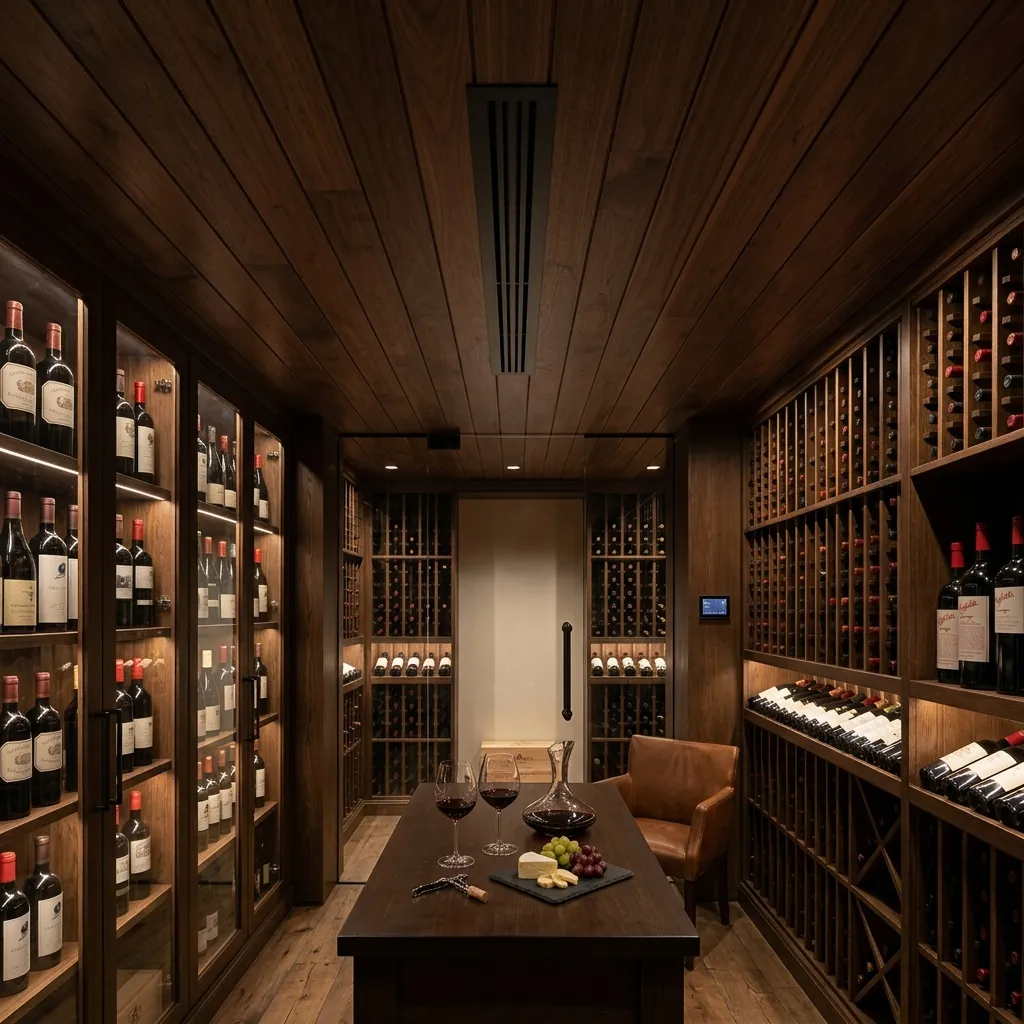
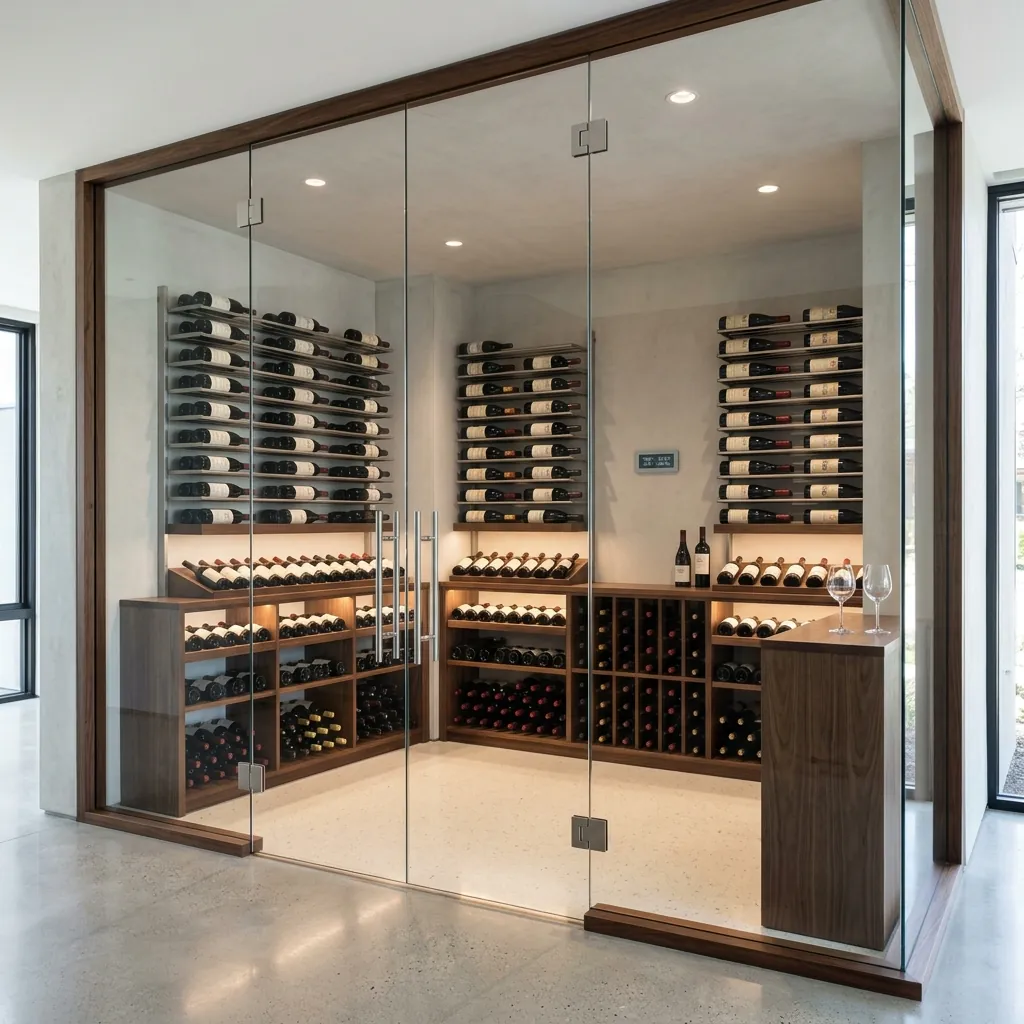
Bring your wine cellar into the connected home era with intelligent cooling controls, real-time monitoring, and seamless automation that protects every bottle. Discover how smart home integration can elevate precision, convenience, and long-term wine preservation.
Book a ConsultationA wine cellar is only as good as the environment it creates, and in a connected home, that environment should never be left to chance. Smart home automation transforms wine cellar cooling from a standalone mechanical system into an intelligent preservation ecosystem that can monitor, adjust, and respond to changing conditions with exceptional precision. For collectors, enthusiasts, and homeowners who value both convenience and consistency, integrating wine cellar cooling with smart home technology offers a powerful advantage: the ability to maintain ideal temperature and humidity while reducing risk, improving visibility, and simplifying daily management. Instead of relying on guesswork or manual checks, a connected cellar can send alerts, track trends, and coordinate with broader home systems to ensure your wine is protected around the clock. At VA Wine Cooling, we understand that the best storage conditions are not just about keeping a room cold; they are about preserving flavor, aroma, structure, and investment value through stable, carefully controlled climate management. Smart automation makes that level of control more accessible than ever, turning a traditional cellar into a responsive, modern environment designed for serious wine preservation.
Remote monitoring allows homeowners to check cellar temperature, humidity, and system performance from anywhere using a phone, tablet, or connected dashboard, making it easier to stay informed and act quickly if conditions change.
Automated climate controls help the wine cellar cooling system respond to shifting room conditions, occupancy patterns, and seasonal changes without constant manual intervention, supporting stable storage conditions day and night.
Instant alerts can notify you of temperature swings, humidity issues, power interruptions, or equipment faults so you can respond before minor concerns become major threats to your wine collection.
Integration with larger smart home platforms allows your wine cellar cooling system to work alongside lighting, security, HVAC, and energy management tools for a more cohesive and efficient home experience.
Integrating smart home automation with wine cellar cooling begins with a simple but important idea: wine preservation improves when the cooling system has more information and more control. Traditional systems are designed to maintain a target environment, but smart systems elevate that process by adding sensors, communication, and automation logic that help the cellar adapt to real-world conditions. A well-designed smart wine cellar cooling setup can monitor temperature fluctuations in real time, detect humidity drift, and communicate with mobile apps or home automation hubs so that homeowners always know what is happening inside the cellar. This level of awareness is especially valuable because wine is highly sensitive to environmental instability. Even short periods of excessive heat, low humidity, or repeated cycling can affect aging potential and long-term quality. Smart technology reduces that risk by creating a system that is not only reactive, but anticipatory.
One of the biggest advantages of smart integration is the ability to preserve consistency. Wine prefers steady conditions, and a connected cooling system can help maintain them by responding faster than a human could. If the cellar door is opened frequently, if outside temperatures rise dramatically, or if the home experiences a change in HVAC behavior, smart sensors can detect the impact and trigger appropriate cooling responses. This is particularly useful in luxury homes, custom basements, and dedicated storage spaces where environmental demands may vary from season to season. Instead of waiting until a problem becomes visible, the automation platform can identify patterns and adjust operation before the cellar drifts too far from ideal. That means less stress on the equipment and better protection for the bottles inside.
Smart home automation also adds a layer of convenience that modern homeowners increasingly expect. Rather than manually walking to the cellar to inspect gauges or open a control panel, users can review system data from a smartphone or integrated touchscreen. This is especially helpful for second homes, vacation properties, or collectors who travel often and want confidence that their wine remains protected even when they are away. Remote visibility is more than a luxury; it is a practical tool for maintaining continuity. If a power outage occurs or if the cooling system needs attention, alerts can be delivered immediately, allowing for prompt action. In this way, smart automation transforms wine cellar cooling from a passive appliance into an actively managed preservation asset.
Another major benefit is data tracking. Smart systems often log temperature and humidity trends over time, creating a record of cellar performance that can reveal seasonal patterns, equipment behavior, and usage impact. For wine collectors who care deeply about preservation, this historical insight is invaluable. It helps identify whether the system is working efficiently, whether the cellar is properly insulated, and whether any recurring issues may require technical correction. In many cases, these insights can lead to better long-term performance because homeowners and technicians can make informed adjustments rather than relying on assumptions. A cooling system that communicates clearly is easier to maintain, easier to optimize, and more reliable over the life of the cellar.
Smart automation also contributes to energy efficiency. Because the system can be programmed to operate intelligently, it can avoid unnecessary runtime and reduce waste while still preserving the stable environment wine requires. For example, automation can coordinate with home occupancy patterns, outside weather conditions, or broader HVAC schedules to minimize stress on the cooling equipment. This kind of coordination is especially useful in homes where the wine cellar shares adjacent walls or mechanical conditions with other spaces. By integrating the cellar with the home’s overall automation strategy, homeowners can create a more efficient and balanced environment without sacrificing performance. The result is a cellar that feels seamlessly connected to the home while still functioning as a specialized storage zone with its own exacting requirements.
From a design perspective, smart integration also supports a cleaner and more refined cellar experience. Fewer manual adjustments mean fewer disruptions, and more advanced monitoring can reduce the need for visible control hardware or repeated service visits. For homeowners building custom wine rooms, this can be a significant aesthetic advantage. The cellar remains elegant and focused on display, while the intelligence behind the scenes handles the technical work. That combination of beauty and function is exactly what many high-end wine storage projects require. At VA Wine Cooling, we see smart home automation as a natural extension of premium cellar design: it supports the wine, simplifies ownership, and gives collectors the confidence that their investment is protected by a system built for precision.
Essential Wine Cellar Engineering Resources:
When homeowners begin exploring smart home automation for wine cellar cooling, the most important step is understanding which features actually improve preservation and which are simply convenient extras. The most effective systems are those that combine environmental monitoring, intelligent control, and dependable communication in a way that supports the unique needs of wine storage. At the center of this process are sensors, because sensors provide the data that makes automation possible. Temperature sensors track the cellar climate with precision, while humidity sensors help ensure the storage environment remains balanced enough to protect corks, labels, and the overall integrity of the collection. In a properly integrated system, these readings are not isolated numbers; they become triggers that guide the cooling equipment and inform the homeowner whenever action may be needed.
Smart alerts are another essential feature because they bridge the gap between automated operation and human oversight. Even the most advanced wine cellar cooling system benefits from a homeowner who knows what is happening and when. Alerts can be configured to notify users if temperature rises beyond a safe range, if humidity falls too low, if the system loses power, or if an equipment fault is detected. These notifications are especially valuable during travel, extreme weather, or periods when the home is unoccupied. Instead of discovering a problem after the fact, the owner can receive immediate insight and respond quickly. That responsiveness can make the difference between a minor service issue and a serious preservation problem, which is why smart alerting is one of the most valuable features in modern cellar automation.
Integration with voice assistants and home hubs also adds a practical layer of accessibility. Many homeowners already use connected systems to manage lights, thermostats, security cameras, and entertainment devices, so extending that same convenience to the wine cellar feels natural. The ability to check cellar status with a voice command or view it on a unified dashboard creates a more intuitive experience. More importantly, it keeps the wine cellar from becoming a disconnected part of the home. Instead, it becomes one more intelligently managed zone within a broader ecosystem. This is especially useful in larger residences where multiple climate-sensitive areas may be controlled through a central platform. A wine cellar can then be monitored alongside other key systems without requiring a separate routine or specialized process.
Automated scheduling is another powerful feature because it allows the cellar cooling system to respond to predictable patterns. For example, homeowners may want the system to adjust its behavior during periods of lower occupancy, overnight quiet hours, or when the home’s main HVAC system is running more heavily. Scheduling can also help manage energy usage while maintaining the stable conditions wine requires. The goal is not to turn the cellar on and off in dramatic ways, but to ensure the equipment operates intelligently and efficiently. In many cases, automation can reduce unnecessary strain by avoiding overcorrection and helping the system maintain a more even cycle. That can extend equipment life while supporting a more stable storage environment.
Another important feature is integration with security and access control. Wine cellars are often located in private areas of the home, and smart automation can help ensure that access is monitored and controlled. Door sensors, occupancy alerts, and connected locks can provide additional peace of mind, especially for valuable collections. If the cellar door is left open too long or accessed unexpectedly, the system can notify the homeowner immediately. This is not only useful for security; it also supports climate stability by reducing the likelihood of prolonged exposure to warmer room air. In a wine cellar, every layer of protection matters, and smart integration can tie together climate management and security in a way that strengthens both.
Finally, smart home features can support maintenance and service planning. Some systems can identify when the cooling equipment is running more frequently than normal, when performance trends suggest an airflow issue, or when a sensor may need recalibration. These insights help homeowners stay ahead of potential problems and work with qualified professionals before a small issue becomes a major service. In a premium wine storage environment, proactive care is always preferable to reactive troubleshooting. A smart system does not replace expert installation or regular service, but it does make both more effective by providing the information needed to make better decisions. That combination of visibility, automation, and preventive insight is what makes smart home integration such a valuable addition to wine cellar cooling.
Designing a seamless smart wine cellar cooling strategy requires more than simply adding technology to an existing room. It requires a thoughtful plan that considers insulation, vapor barriers, equipment placement, sensor accuracy, automation goals, and the homeowner’s long-term expectations for the cellar. The best results come from treating the wine cellar as a specialized environment within the home, one that deserves its own climate logic and its own performance standards. Smart automation can only work well when the underlying cellar structure supports stable conditions. That means proper insulation, sealed doors, carefully managed air exchange, and a cooling system sized appropriately for the room’s volume and heat load. Once those fundamentals are in place, automation can enhance performance by making the system more responsive, more transparent, and more adaptable to changing conditions.
One of the most important design decisions is choosing the right control architecture. Some homeowners prefer a simple setup with a connected thermostat and basic alerts, while others want a more advanced platform that integrates with the rest of the home through a central automation system. Both approaches can be effective when matched to the cellar’s needs and the owner’s lifestyle. The key is ensuring that the interface is easy to use and that the system provides reliable, accurate information. A smart wine cellar cooling strategy should never feel complicated for the sake of sophistication. It should feel intuitive, dependable, and tailored to the way the homeowner actually lives. When the controls are clear and the automation is purposeful, the cellar becomes easier to maintain and more resilient over time.
Sensor placement is another critical consideration. Even the most advanced smart platform can produce misleading results if sensors are installed in the wrong location. Temperature and humidity should be measured in representative areas of the cellar, not just near the cooling unit or directly in the path of airflow. This helps ensure that the data reflects the actual storage environment where wine bottles are kept. In larger cellars, multiple sensors may be necessary to account for variations across different zones, shelving layouts, or architectural features. This is particularly important in custom wine rooms where glass walls, display lighting, or unique design elements may influence climate behavior. A well-planned sensor strategy gives the automation system the information it needs to maintain stability across the entire room.
Another major aspect of seamless integration is balancing automation with manual control. Smart systems are most valuable when they support the homeowner without removing flexibility. There may be times when a collector wants to review settings, adjust thresholds, or temporarily modify the system for special circumstances. The best platforms make those changes easy while still maintaining safeguards that protect the cellar from unsafe conditions. This balance is especially useful in homes with multiple users, such as families, hosts, or staff members who may need limited access to the cellar controls. Clear permissions and simple interfaces help ensure that the system remains both powerful and manageable. In high-value storage environments, control should feel precise, not overwhelming.
Professional installation and ongoing service also play a major role in long-term success. Smart home automation can only deliver its full value when the cooling equipment, sensors, and control systems are installed correctly and calibrated properly. That is why working with knowledgeable wine cellar cooling professionals is so important. A specialist can evaluate the room, recommend the right equipment, integrate the system with existing smart home platforms, and verify that everything is operating as intended. In addition, regular maintenance helps preserve sensor accuracy, system efficiency, and overall reliability. A smart cellar is not a set-it-and-forget-it solution; it is a carefully managed environment that benefits from expert attention and periodic review.
Ultimately, the goal of integrating smart home automation with wine cellar cooling is to create a storage environment that is stable, visible, and easy to trust. The homeowner should feel confident that the cellar is protected whether they are home or away, whether the weather is mild or extreme, and whether the collection is small or extensive. When technology is used thoughtfully, it strengthens every part of the wine storage experience. It improves preservation, simplifies daily management, and adds a level of control that aligns perfectly with the expectations of modern homeowners. For those who value their wine collection, smart automation is not just a feature; it is a strategic investment in consistency, convenience, and peace of mind.
Yes. Smart home automation can significantly improve wine cellar cooling performance by giving homeowners real-time visibility into temperature, humidity, and system behavior while also allowing the cooling equipment to respond more intelligently to changing conditions. Wine cellars are highly sensitive environments, and even small fluctuations can affect long-term preservation. A connected system helps reduce that risk by monitoring conditions continuously, sending alerts when something changes, and enabling faster responses than manual checks alone. In practical terms, this means the cellar can stay more stable, the equipment can operate more efficiently, and the homeowner can enjoy greater confidence that the collection is being protected consistently. Smart automation does not replace a properly designed cooling system, but it enhances one by making it more adaptive, informed, and easier to manage.
The most useful smart home features for a wine cellar are those that directly support climate stability and early problem detection. Remote monitoring is one of the most valuable because it allows homeowners to check temperature and humidity from anywhere, which is especially helpful when traveling or managing a second property. Smart alerts are equally important because they notify the owner immediately if there is a temperature swing, humidity issue, power interruption, or equipment fault. Automated scheduling can also be useful for managing system behavior more efficiently, while integration with home hubs and voice assistants makes daily oversight easier. In some cases, security integration and door sensors add another layer of protection by helping monitor access and reducing the chance that an open door or unexpected entry will compromise the cellar environment. The best features are the ones that combine convenience with meaningful preservation benefits.
In most cases, yes, professional help is strongly recommended. Integrating wine cellar cooling with a smart home system may seem straightforward on the surface, but it involves important technical considerations such as equipment compatibility, sensor placement, control calibration, insulation quality, and the unique climate requirements of wine storage. A professional can evaluate the cellar, recommend the right cooling solution, and ensure the automation platform is configured correctly so it supports rather than compromises preservation. This is especially important for high-value collections, custom cellars, or homes with complex automation systems. Professional installation and setup reduce the risk of inaccurate readings, poor system performance, and integration issues that could affect the cellar over time. For homeowners who want reliability, precision, and long-term peace of mind, expert guidance is the best path to a successful smart wine cellar cooling strategy.
Whether you need installation, service, or maintenance — our team is ready to help. Fill out the form below and we'll get back to you within 24 hours.
By submitting this form, you agree to our Privacy Policy. CSLB Lic#1055057
VA Wine Cooling engineers and maintains precision commercial and residential cooling systems across Southern California.