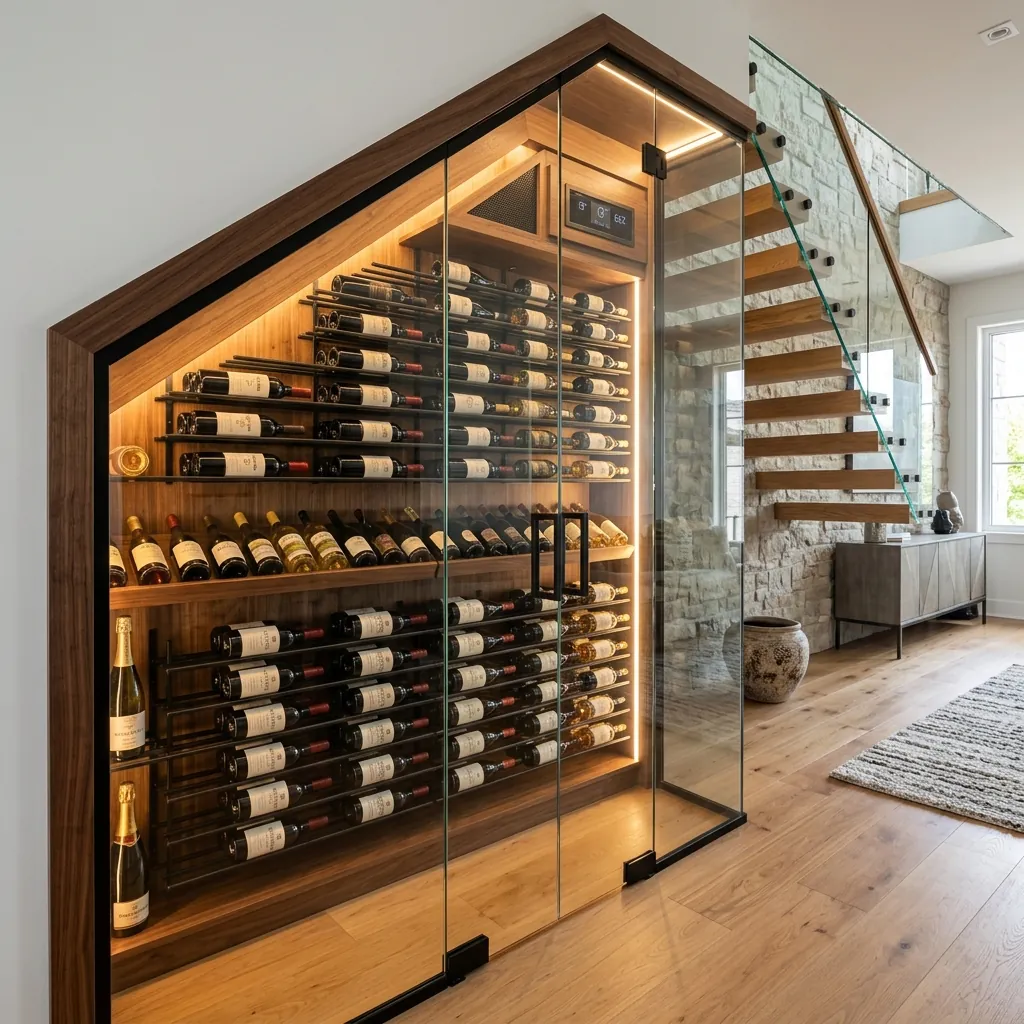
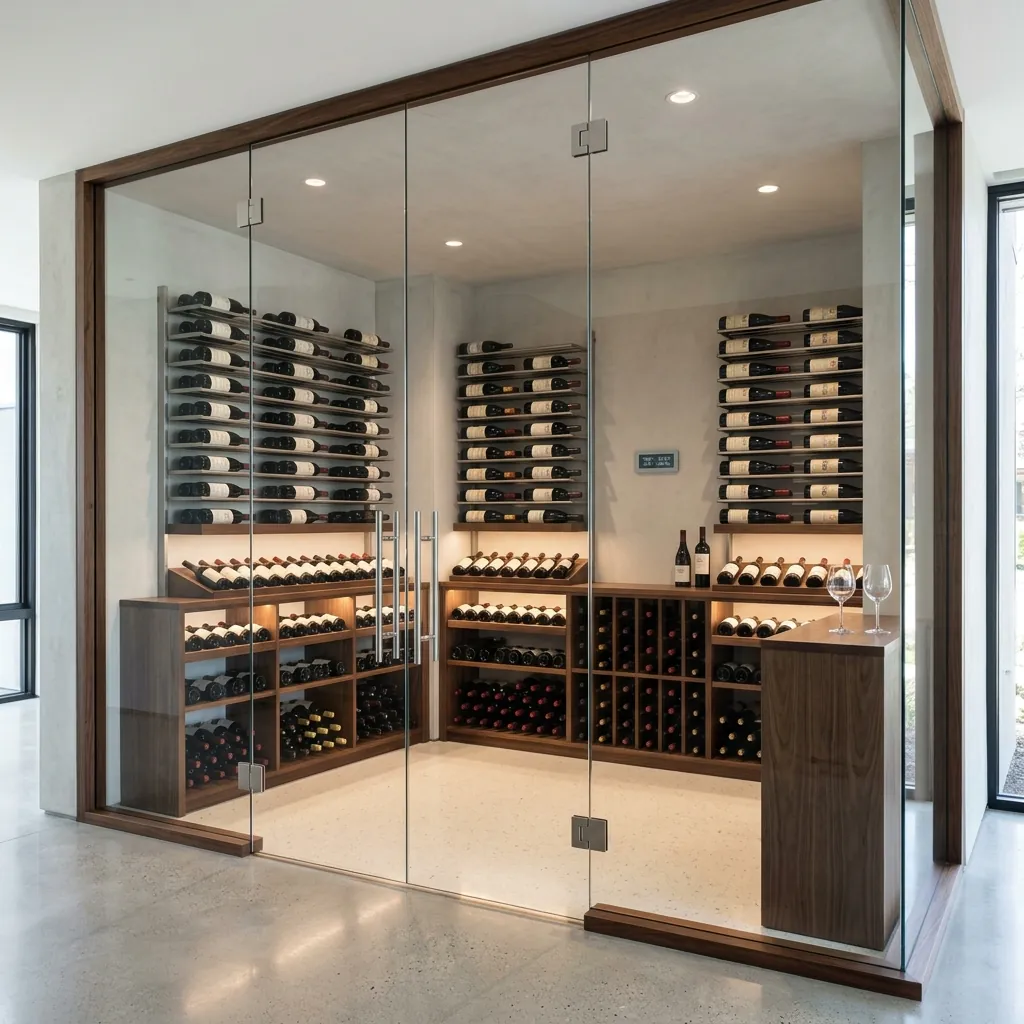
Discover how a properly designed custom wine cellar cooling system can protect your collection, preserve flavor, and deliver year-round performance in Anaheim’s warm Orange County climate. Whether you’re building a new cellar or upgrading an existing one, the right cooling solution makes all the difference.
Book a ConsultationAnaheim and the greater Orange County area are known for their sunny weather, warm interiors, and lifestyle that often blends luxury with practicality. For wine collectors, that climate creates a real challenge: wine is highly sensitive to temperature swings, humidity imbalance, vibration, and poorly insulated spaces. A custom wine cellar cooling system is not just an accessory—it is the foundation of proper wine storage. At VA Wine Cooling, we understand that every cellar is different, from compact residential wine rooms to expansive custom-built cellars in luxury homes, and each one requires a cooling strategy designed around its exact conditions. The goal is simple but essential: maintain the ideal environment so your wine ages gracefully and retains its intended character for years to come.
A custom wine cellar cooling system is engineered to keep your cellar at a stable, wine-friendly temperature rather than allowing the fluctuations common in standard HVAC systems. This precision helps preserve structure, aroma, and taste.
Proper humidity is just as important as temperature. A professionally designed system helps protect corks from drying out, reduces label damage, and supports long-term bottle integrity in Anaheim’s dry, warm conditions.
Wine should rest undisturbed. Custom cooling systems are designed for quiet performance and minimal vibration, helping protect sediment and preserve the calm environment a serious wine collection requires.
From under-stair cellars to full-scale tasting rooms, a custom system is sized and configured to match your room’s insulation, glass exposure, bottle capacity, and usage patterns for dependable performance.
When most homeowners think about wine storage, they focus on racks, lighting, and design. Those details matter, but the true heart of a wine cellar is its cooling system. In Anaheim, where warm days and seasonal heat can quickly affect interior conditions, a custom wine cellar cooling system is what keeps your collection safe. Unlike a conventional air conditioner, which is built to cool living spaces for human comfort, a wine cellar cooling unit is designed to maintain a narrow temperature range and manage humidity more carefully. This distinction is critical because wine does not respond well to sudden changes. Even small fluctuations can accelerate aging, damage corks, and compromise the flavor profile of prized bottles.
A custom system begins with a complete assessment of the cellar environment. Factors such as room size, insulation quality, door construction, glass exposure, ceiling height, and the number of bottles all influence the cooling load. In Orange County homes, cellars are often integrated into beautiful custom builds with decorative glass walls, open floor plans, or unique architectural features. Those design choices add visual appeal but can also create cooling challenges. That is why a one-size-fits-all unit rarely works well. A properly tailored solution accounts for heat gain, air circulation, and the specific conditions of the room so the equipment can operate efficiently without overworking itself.
The system itself may include a self-contained unit, split system, ducted configuration, or another specialized setup depending on the cellar’s layout. Each option serves a different purpose. Self-contained systems are often suitable for smaller, enclosed spaces, while split systems are ideal when noise reduction or equipment placement flexibility is important. Ducted systems can be especially appealing for homeowners who want a clean, concealed look without visible machinery inside the cellar. The right choice depends on the design of the space and the goals of the collector, which is why professional consultation matters so much.
Another major consideration is humidity control. In Southern California, the air can be dry, and a cellar that is too dry may cause corks to shrink, allowing oxygen to enter the bottle and spoil the wine. On the other hand, too much humidity can encourage mold growth and damage labels or wooden racks. A custom wine cellar cooling system helps strike the right balance so the cellar remains stable and protective. That balance is especially important for collectors storing investment-grade wines, older vintages, or bottles intended for long-term aging. The right environment preserves not only the wine itself but also its value.
At VA Wine Cooling, we focus on designing systems that support both performance and peace of mind. A wine cellar should feel like a controlled sanctuary, not a noisy mechanical room. By matching the equipment to the room’s exact needs, we help Anaheim homeowners create cellars that look beautiful, function reliably, and protect every bottle inside. Whether the cellar is part of a modern coastal-inspired home or a traditional estate in Orange County, the principles remain the same: stable conditions, efficient operation, and expert installation are the keys to long-term success.
Essential Wine Cellar Engineering Resources:
Selecting the right cooling system is one of the most important decisions you will make when building or upgrading a wine cellar. Anaheim homeowners have access to several system types, but the best choice depends on the cellar’s construction, the home’s layout, and how the space will be used. If the cellar is small and fully enclosed, a self-contained unit may be sufficient. If the cellar is part of a larger luxury home where noise control is a priority, a split system may be the better option because it allows the condenser to be placed away from the living area. For cellars that need a discreet appearance, ducted systems can deliver excellent performance while keeping equipment hidden from view.
One of the most common mistakes homeowners make is assuming that a bigger system is automatically better. In reality, an oversized unit can cool too quickly, cycle on and off too often, and fail to maintain proper humidity. An undersized unit, meanwhile, may run constantly and still never reach the desired conditions. Both situations can shorten equipment life and put your wine at risk. That is why load calculations are so important. A professional evaluation considers not only the physical dimensions of the room, but also insulation thickness, vapor barriers, lighting heat, door seals, and any glass surfaces that may allow heat transfer. In Orange County, where many homes feature open, airy designs, these details can significantly affect performance.
Another factor to consider is how the cellar will be used. A private collector who rarely enters the cellar may prioritize maximum stability and quiet operation. A homeowner who hosts tastings or entertains frequently may want a system that supports more frequent access without major temperature swings. If the cellar includes display lighting, glass doors, or a tasting area, those features can increase heat load and must be addressed in the design. The cooling system should support the lifestyle you want while still preserving the wine under optimal conditions.
Energy efficiency is also worth discussing, especially in a region like Anaheim where cooling systems may operate for long periods during warm weather. A well-designed custom wine cellar cooling system does more than protect wine; it also helps manage operating costs by running efficiently. Proper insulation, sealed doors, and correctly sized equipment reduce strain on the system and improve long-term reliability. Over time, this can save money on energy bills and reduce the likelihood of expensive services or premature replacement.
Ultimately, the right system is the one that matches the cellar, not the other way around. That is the philosophy we bring to every project at VA Wine Cooling. We help homeowners evaluate the options, compare performance characteristics, and choose a solution that fits the cellar’s structure and the collector’s goals. With expert planning and installation, your wine cellar can become a dependable, elegant environment that protects your collection for decades.
Homeowners often have questions when they begin planning a custom wine cellar cooling system, and that is a good thing. A wine cellar is a specialized environment, and understanding the basics helps you make better decisions from the start. One of the most common questions is whether a standard air conditioner can be used instead of a dedicated cellar cooling system. The short answer is no. Standard HVAC systems are not built to maintain the narrow temperature range or humidity balance that wine requires. They can also introduce too much vibration and may shut off in ways that create harmful fluctuations. A dedicated wine cellar cooling system is specifically designed to protect your collection over the long term.
Another frequent concern is how often a cooling system will run in Anaheim’s climate. The answer depends on insulation, cellar size, door quality, and how often the space is opened. A well-insulated cellar with a properly sized system should maintain stable conditions without excessive runtime. If the unit seems to run constantly, that usually indicates a design issue, an insulation problem, or an undersized system. This is why professional planning is so important before installation begins. The better the cellar is built, the less stress the cooling equipment will face over time.
Many collectors also ask about maintenance. Like any specialized equipment, wine cellar cooling systems need periodic attention to keep them performing at their best. Filters may need cleaning or replacement, drain lines should be checked, and the system should be inspected for signs of wear or airflow issues. Preventive maintenance helps catch small problems before they become expensive services. It also helps ensure the cellar remains stable during the hottest months of the year, when your system is working hardest. For serious collectors, routine service is not just a convenience—it is part of protecting the investment.
Finally, homeowners often wonder whether a custom cooling system is worth the cost. For anyone storing valuable, collectible, or sentimental wine, the answer is usually yes. The cost of replacing damaged wine can quickly exceed the price of proper climate control, especially when rare vintages or aging collections are involved. Beyond financial value, there is also the matter of enjoyment. Wine is meant to be shared and appreciated at its best. A reliable cooling system ensures each bottle is ready when the moment is right, whether that is a special celebration, a dinner party, or a quiet evening at home.
At VA Wine Cooling, we believe an informed client is a confident client. That is why we take time to explain the options, answer questions, and design solutions that make sense for each unique space. If you are planning a wine cellar in Anaheim or anywhere in Orange County, the right cooling system can transform your storage area into a true preservation environment. With the proper guidance, your cellar can deliver beauty, reliability, and long-lasting protection for every bottle in your collection.
A regular AC unit is designed for human comfort in living spaces, not for preserving wine. Wine requires a much tighter temperature range, controlled humidity, low vibration, and consistent operation. Standard HVAC systems tend to cycle on and off in ways that create temperature swings, and they often remove too much moisture from the air. That can dry out corks, damage labels, and accelerate oxidation. A custom wine cellar cooling system is specifically engineered to maintain the stable, protective environment wine needs to age properly. It is sized for the cellar, matched to the insulation and construction, and designed to support long-term storage rather than short-term comfort.
Most wine cellars are ideally maintained around 55 degrees Fahrenheit, with a relatively narrow acceptable range depending on the collection and storage goals. The key is consistency. A cellar that stays close to a stable target temperature is far better than one that frequently fluctuates several degrees up or down. In Anaheim’s warm climate, keeping the cellar at a steady temperature is especially important because ambient heat can place extra strain on cooling equipment. The exact target may vary slightly based on your collection, the cellar’s design, and whether you are storing reds, whites, sparkling wines, or long-aging vintages. A professional evaluation can help determine the best setting for your specific setup.
The right system depends on several factors, including the cellar size, insulation quality, door construction, glass exposure, bottle capacity, and whether noise control or hidden equipment is important. Smaller enclosed spaces may work well with self-contained units, while larger or more design-focused cellars often benefit from split or ducted systems. The best approach is to start with a detailed assessment of the room and its cooling load. That allows the system to be properly sized and configured so it can maintain temperature and humidity without overworking. If you are unsure which option fits your home, a professional consultation is the safest and most effective way to choose the right solution.
Whether you need installation, service, or maintenance — our team is ready to help. Fill out the form below and we'll get back to you within 24 hours.
By submitting this form, you agree to our Privacy Policy. CSLB Lic#1055057
VA Wine Cooling engineers and maintains precision commercial and residential cooling systems across Southern California.