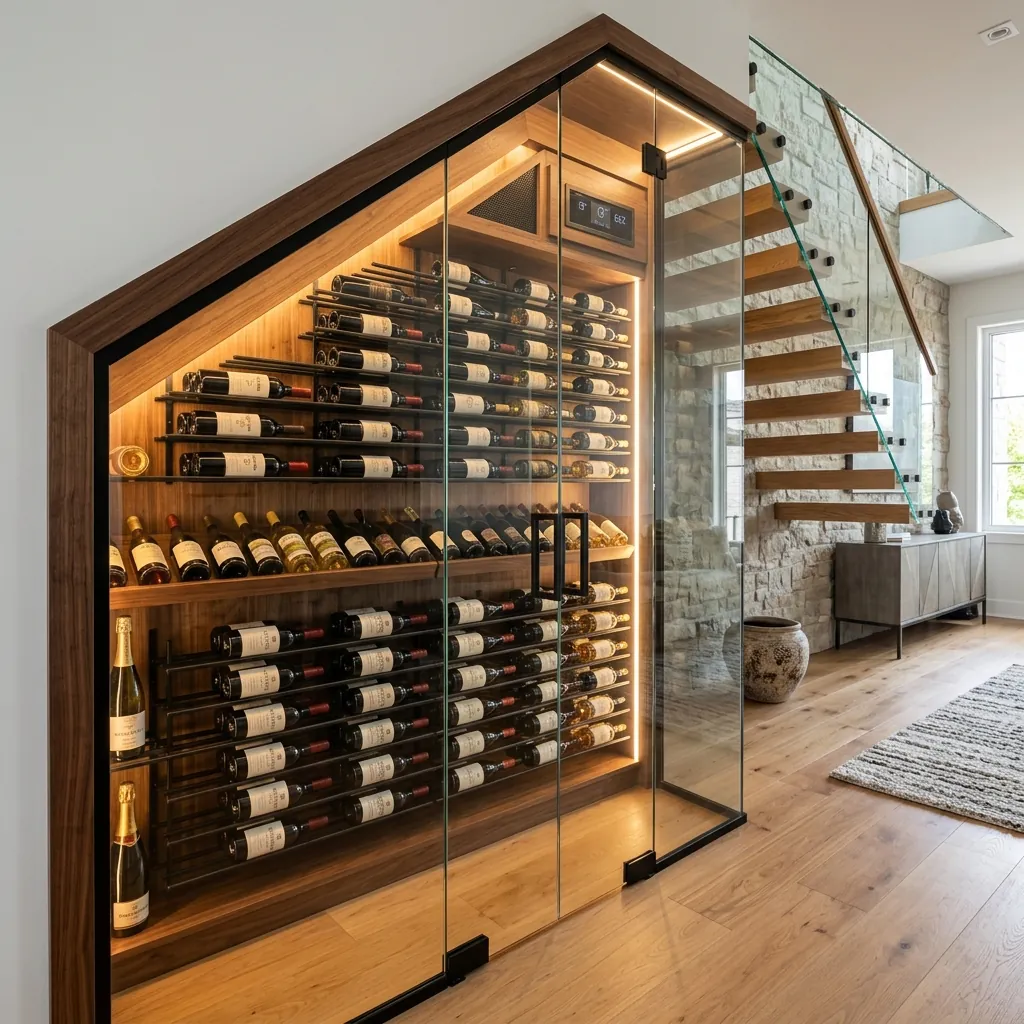
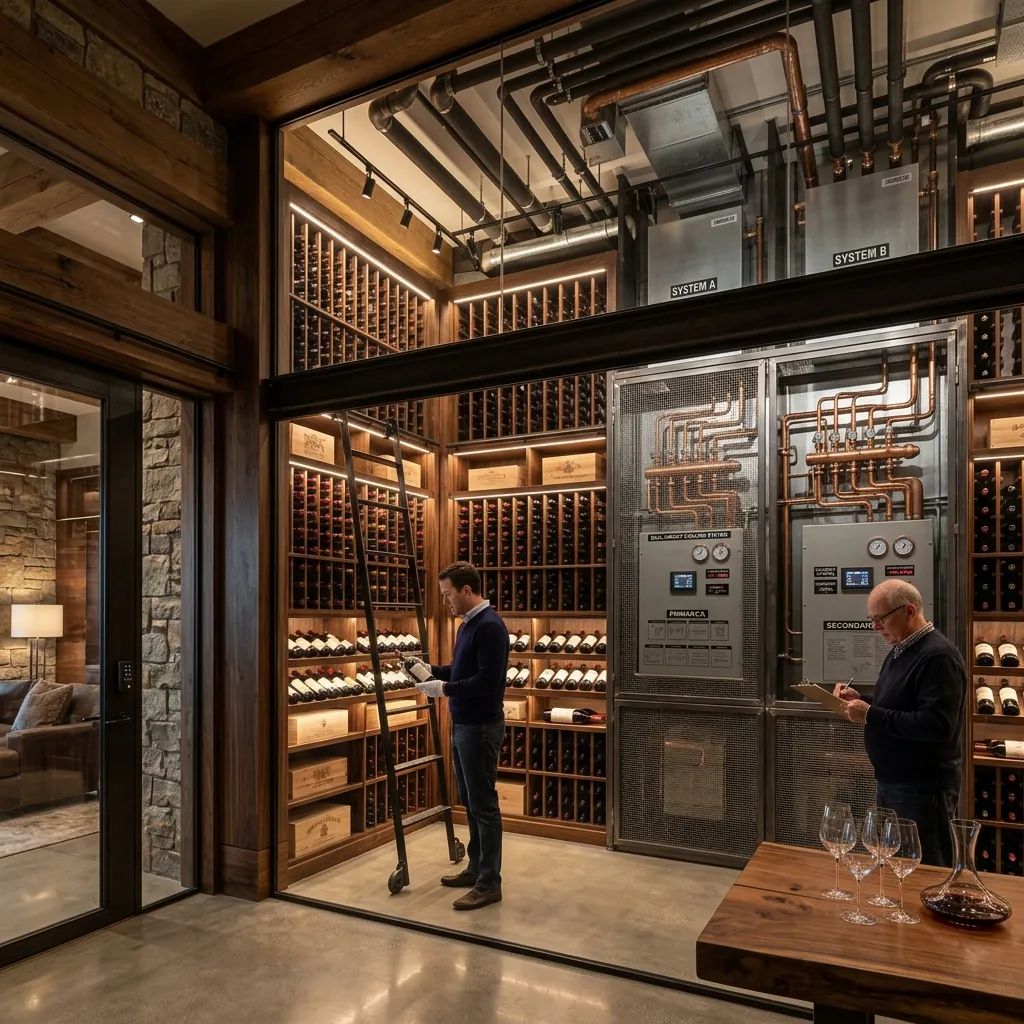
Create a restaurant wine display that looks stunning, protects every bottle, and performs flawlessly in the heat, humidity, and pace of a busy hospitality environment. With the right climate control strategy, your wine presentation becomes both a design feature and a preservation system.
Book a ConsultationA restaurant wine display is never just a decorative feature. It is a living part of the guest experience, a merchandising tool, a preservation environment, and often a signature design element that communicates the level of care behind the entire dining program. In restaurants, wine is exposed to conditions that are far more demanding than those of a private cellar: frequent door openings, fluctuating ambient temperatures from kitchens and dining rooms, lighting loads, changing occupancy, and the constant pressure of service traffic. Without proper climate control for restaurant wine displays, even the most beautiful presentation can become a liability, leading to accelerated aging, label damage, cork stress, flavor degradation, and inconsistent bottle temperatures that undermine the quality of every pour. Designing a display that performs well requires more than selecting a cooling unit; it requires a holistic plan that considers the architecture of the space, the type of wines being stored, the visual goals of the restaurant, and the operational realities of a hospitality business. VA Wine Cooling understands that restaurant wine display refrigeration must balance aesthetics and performance at every level, from the insulation behind the walls to the airflow around the bottles and the stability of the temperature inside the enclosure. When executed correctly, a climate-controlled wine display supports wine quality, improves service efficiency, elevates the dining room atmosphere, and reinforces the restaurant’s brand identity. The best systems disappear into the design while quietly doing the most important job in the room: maintaining ideal conditions for the wines that define the menu and the guest experience.
Restaurant wine displays need precise temperature stability to protect wine from premature aging, spoilage, and service inconsistency. A purpose-built cooling system helps maintain ideal conditions even when the dining room is busy and surrounding temperatures change throughout the day.
The best climate control solutions can be integrated into custom millwork, glass enclosures, wall displays, or backbar wine features without compromising the restaurant’s design vision. This allows the display to feel intentional, elegant, and fully aligned with the interior concept.
Wine storage is not only about temperature; humidity and airflow also matter. Proper climate control helps reduce cork drying, label damage, and condensation issues while ensuring that bottles remain protected in a balanced environment.
Restaurant environments are demanding, so wine display cooling systems must be dependable, serviceable, and built for continuous operation. Reliable equipment reduces risk, supports staff efficiency, and protects inventory in high-volume hospitality settings.
Designing climate control for restaurant wine displays begins with understanding that hospitality spaces operate differently from residential wine rooms and private cellars. In a restaurant, a wine display may be visible from the dining room, adjacent to a kitchen, built into a bar, or installed as a dramatic feature wall, but in every case it must perform under dynamic conditions. Guests move through the space, doors open and close, lighting remains on for long service hours, and heat from cooking equipment, dishwashing stations, and even crowded seating areas can influence the surrounding environment. A restaurant wine display cooling system must therefore be selected and engineered not just for capacity, but for resilience. The goal is to maintain a consistent internal temperature that supports the wines being stored while keeping the display visually seamless and operationally practical. That is why climate control for restaurant wine displays is best approached as a design discipline rather than a simple mechanical decision.
One of the most important early considerations is the type of wine being displayed and how the restaurant intends to use it. Some restaurants showcase a rotating selection of premium bottles for immediate service, while others use the display to age reserve wines, highlight rare vintages, or create an elevated visual statement that reinforces the menu’s depth. Each use case affects the required temperature range, humidity balance, and layout strategy. For example, a display intended primarily for service may prioritize accessibility and quick bottle retrieval, while a display designed for long-term storage must emphasize environmental stability and protection from vibration, light exposure, and temperature swings. A well-designed restaurant wine display refrigeration plan accounts for these differences from the outset, ensuring that the system supports both the operational workflow and the quality objectives of the beverage program.
Another key factor is enclosure design. A climate-controlled wine display is only as effective as the structure that contains it. Glass quality, insulation, sealing, framing, and access points all influence how hard the cooling system must work and how stable the internal environment will remain. In restaurant settings, where design often favors open sightlines and dramatic presentation, it can be tempting to maximize visual transparency at the expense of thermal performance. However, an expertly engineered display can achieve both. High-performance insulated glass, carefully planned door hardware, hidden gaskets, vapor barriers, and properly sealed millwork can preserve the visual appeal of the installation while minimizing thermal leakage. This is especially critical in restaurant wine display design, where even small inefficiencies can lead to higher energy usage, temperature drift, and unnecessary wear on the equipment.
Airflow management is equally important. A cooling system cannot simply blow cold air into the display and hope for the best. Wine bottles need even, gentle circulation that avoids hotspots, condensation, and direct drafts that can damage labels or create uneven cooling across the racking. In a restaurant wine display, airflow must be carefully coordinated with bottle arrangement, shelving depth, and the location of return air paths. If the display is built into a wall or integrated into custom cabinetry, the system must be designed to move air efficiently without disrupting the aesthetics of the room. That is where specialized wine cooling expertise matters. VA Wine Cooling focuses on solutions that preserve the visual integrity of the display while creating the stable, predictable conditions wine requires. Proper airflow design also helps the system run more efficiently and quietly, which is particularly valuable in fine dining environments where ambiance matters as much as performance.
Humidity control should never be treated as an afterthought. While temperature is the most discussed factor in wine storage, humidity plays a critical role in preserving cork integrity and preventing labels from drying, curling, or deteriorating over time. In restaurant wine displays, particularly those with glass fronts or visible bottle presentation, excessive dryness can quickly compromise the look and condition of the inventory. On the other hand, too much humidity can create condensation, encourage mold growth, or damage surrounding finishes and millwork. The ideal climate control strategy maintains a balanced environment that protects the wine and the display itself. This balance becomes even more important in restaurants with variable HVAC loads or in climates with extreme seasonal changes. A thoughtful wine display refrigeration design can help buffer those fluctuations and maintain a more consistent internal microclimate.
Noise and vibration are additional concerns that are unique to hospitality settings. A restaurant wine display often sits in a visible, high-traffic area where guests expect a refined atmosphere. Cooling equipment that hums, rattles, or vibrates can detract from the customer experience and may even disturb the sediment in older wines. For that reason, selecting the right system placement, compressor configuration, and remote cooling option can make a meaningful difference. In many restaurant applications, remote systems are preferred because they allow the heat and mechanical noise to be moved away from the dining area. This creates a cleaner guest environment while still allowing the display to function as a dramatic focal point. The result is a seamless combination of performance and presentation, which is exactly what modern hospitality design demands.
Ultimately, designing climate control for restaurant wine displays is about protecting an investment on multiple levels. The wines themselves are valuable, but so is the time, labor, and intent that go into curating them. The display is also part of the restaurant’s architectural identity, and if it fails to perform, it can undermine the very impression it was meant to create. A properly designed system supports the beverage director, the chef, the designer, and the guest all at once. It keeps the wine ready to serve, the presentation elegant, and the environment stable, which is why purpose-built wine display cooling is not a luxury in restaurant settings but a foundational element of successful wine program design.
Essential Wine Cellar Engineering Resources:
Once the need for climate control has been established, the next step is making the engineering decisions that determine whether a restaurant wine display will operate beautifully or become a maintenance challenge. These decisions start with capacity planning. A cooling system must be sized not only for the current display volume but also for the actual thermal load created by the restaurant environment. That load includes ambient room temperature, lighting heat, glass surface area, insulation quality, bottle density, and the frequency of access. Oversizing or undersizing a system can both create problems. An undersized unit may struggle to maintain temperature during busy service periods, while an oversized system may cycle too aggressively, creating instability and uneven conditions. In restaurant wine display climate control, precision sizing is essential because the environment is rarely static, and the equipment must be able to respond smoothly to changing demands.
Another major engineering choice involves whether to use a self-contained system or a remote cooling configuration. In many restaurant applications, a remote system offers significant advantages because it separates the mechanical components from the display itself. This reduces noise, minimizes heat rejection near the wine, and can improve the overall cleanliness of the visual design. For a wine wall in the dining room or a backbar display in a premium hospitality venue, remote refrigeration allows the architecture to remain the star while the equipment works invisibly behind the scenes. That said, the right choice depends on the layout, access for maintenance, and the restaurant’s mechanical infrastructure. A compact backbar display may function well with a self-contained unit, while a large feature wall or floor-to-ceiling display may benefit from a remote setup that can better manage load and aesthetics. The best restaurant wine display refrigeration strategy is always the one that aligns with the space, the service model, and the long-term maintenance plan.
Lighting design is another area where engineering and presentation intersect. Wine displays are often illuminated to create drama and draw attention, but lighting can also generate heat and expose bottles to harmful UV. LED lighting is typically preferred because it produces less heat and can be controlled more precisely than traditional lighting sources. Even so, the placement, intensity, and color temperature of the lighting should be coordinated with the cooling system and the display materials. A bright, warm light may enhance the appearance of the bottles but could also create localized heat buildup if not properly managed. In climate-controlled restaurant wine displays, lighting should complement the cooling plan rather than compete with it. The goal is to create an inviting, luxurious presentation without compromising the storage environment.
Structural access is another critical consideration. Restaurant staff need to retrieve bottles efficiently, restock inventory quickly, and clean the display without disrupting service. If access is awkward, the display becomes a bottleneck rather than an asset. Engineering a successful wine display means planning for service pathways, shelving ergonomics, door swing clearances, and maintenance access to cooling components. These details may seem minor during the design phase, but they become highly significant once the restaurant is operational. A display that is difficult to stock or service can slow down staff, increase the risk of broken bottles, and make routine maintenance more complicated. A thoughtfully engineered climate-controlled wine display supports the rhythm of the restaurant rather than interrupting it.
Materials selection also affects performance. Wood, metal, stone, glass, and composite finishes all respond differently to temperature and humidity changes. If the display is built with materials that expand, contract, or absorb moisture excessively, the enclosure may develop gaps, warping, or finish damage over time. This is why wine display design for restaurants must consider not only how the display looks on day one, but how it will age in a real hospitality environment. Durable, moisture-resistant, thermally stable materials help preserve the integrity of the installation and reduce long-term maintenance. In high-end restaurants, the wine display is often a centerpiece, and any signs of deterioration can diminish the sense of quality the space is meant to convey. Climate control and material selection therefore work hand in hand to protect both the wine and the design investment.
Energy efficiency is increasingly important as restaurants seek to manage operating costs without sacrificing guest experience. A well-designed restaurant wine display cooling system can be optimized to reduce energy waste through improved insulation, smart component placement, efficient airflow, and proper load management. This is especially valuable in larger hospitality venues or multi-zone concepts where the wine display may be one of several climate-sensitive features in the space. Efficient systems not only lower utility costs but can also contribute to quieter operation and longer equipment life. For restaurant owners and operators, this means fewer surprises, more predictable performance, and a better return on the investment in wine presentation. The key is to think of efficiency as part of the design, not as an afterthought. When the enclosure, cooling system, lighting, and layout are all aligned, the display performs better with less strain.
Maintenance planning should also be built into the engineering process from the beginning. Restaurant environments are busy, and equipment that is difficult to service can create avoidable downtime. Access panels, filter locations, condensate management, and component placement should all be evaluated with maintenance in mind. A display that looks flawless but cannot be easily maintained may eventually become a liability. By contrast, a climate-controlled wine display designed with serviceability in mind will remain reliable, easier to troubleshoot, and more cost-effective over its lifespan. This practical focus is essential in hospitality, where uptime matters and every design choice has operational consequences. The best wine display cooling systems are therefore not merely powerful; they are intelligently integrated, durable, and easy to support over time.
A restaurant wine display does much more than store bottles. When properly climate controlled, it becomes a storytelling device that helps define the restaurant’s identity, reinforce the quality of the beverage program, and create a memorable impression that guests carry with them long after the meal ends. In an industry where every visual detail contributes to perception, a beautifully designed wine display signals care, sophistication, and expertise. It tells guests that the restaurant values wine enough to protect it properly, present it elegantly, and serve it at its best. That message can be especially powerful in concept-driven restaurants, fine dining rooms, hotel venues, and upscale bars where the wine program is part of the brand promise. Climate control for restaurant wine displays therefore supports not only preservation, but also marketing, ambiance, and trust.
From a branding perspective, the visual presence of a wine display can anchor the entire room. Whether it is a glowing backbar wall, a glass-front cellar feature, a custom built-in display near the host stand, or a dramatic floor-to-ceiling installation, the wine presentation becomes part of the restaurant’s signature look. But the visual impact only lasts if the display remains clean, clear, and well preserved. Condensation, warped labels, uneven lighting, or bottles stored at inconsistent temperatures can quickly diminish the sense of luxury. A climate-controlled display ensures that the visual message stays aligned with the quality message. Guests see a collection that looks intentional and cared for, and that perception extends naturally to the food, service, and overall experience. In this way, restaurant wine display refrigeration becomes a quiet but powerful brand asset.
For service teams, a well-designed wine display also improves workflow and confidence. Staff can locate bottles faster, present them more gracefully, and trust that the wine has been held under proper conditions. That confidence matters in the dining room, where the server’s presentation is part of the guest experience. A bottle pulled from a stable, well-organized display communicates professionalism in a way that guests immediately notice. It also helps protect the restaurant from avoidable service issues related to temperature fluctuations or poor storage. In a busy service environment, the difference between a wine that is merely available and one that is properly maintained can be significant. Climate-controlled storage supports consistency, and consistency is one of the hallmarks of excellent hospitality.
There is also a direct relationship between climate control and wine list strategy. Restaurants that invest in premium bottles, rare allocations, or age-worthy selections need a display system that protects those investments and allows them to be showcased with confidence. A wine program is often one of the highest-margin and most brand-defining components of a restaurant’s offerings, and the display is the physical expression of that program. If the wines are presented in an environment that is too warm, too dry, or visually compromised, the value proposition weakens. By contrast, a thoughtfully engineered wine display helps justify premium pricing, supports upselling, and creates a sense of exclusivity. Guests are more likely to order from a list that feels curated, protected, and well presented. In this sense, climate control is part of revenue strategy as much as preservation strategy.
The guest experience benefits in subtler ways as well. Wine displays can influence the mood of the room through light, transparency, texture, and motion. A softly illuminated display can add warmth and intimacy, while a larger cellar-style installation can create a sense of theater and discovery. When the display is climate controlled properly, the restaurant can enjoy these design effects without worrying about the hidden costs of exposure or instability. Guests are drawn to wine walls and visible cellars because they suggest access, sophistication, and craftsmanship. A stable internal environment ensures that the display continues to deliver those benefits day after day. Even the quietness of the system contributes to the guest experience, because the best hospitality environments feel effortless. The cooling system should support that feeling, not interrupt it.
Long-term, the value of climate-controlled restaurant wine display design becomes even clearer. Proper storage reduces waste, protects inventory, and helps preserve the quality reputation of the restaurant. It also gives owners and designers more freedom to create ambitious visual features without sacrificing functionality. This opens the door to custom layouts, integrated millwork, glass enclosures, and signature presentation pieces that can differentiate the restaurant in a competitive market. When the climate control strategy is well executed, the display becomes a durable asset rather than a fragile showpiece. It continues to serve the business, support the staff, and delight the guests. That is the real measure of successful wine display refrigeration in hospitality: not just that the bottles are cool enough, but that the entire system works beautifully in service of the restaurant’s identity and success.
At VA Wine Cooling, the focus is always on creating systems that respect both the wine and the environment in which it is displayed. Restaurants need solutions that are dependable, discreet, and tailored to the realities of service. They need climate control that protects the integrity of the wine while enhancing the room’s design and supporting the staff’s workflow. When all of those goals are addressed together, the result is a wine display that does more than store bottles. It becomes part of the dining experience itself, shaping perception, reinforcing quality, and adding lasting value to the restaurant.
The ideal temperature depends on the wines being stored and whether the display is used for short-term service or longer-term preservation, but most restaurant wine displays are designed to maintain a stable environment around standard wine storage temperatures. The most important factor is consistency. A display that stays within a controlled range without frequent swings will protect wine far better than one that is constantly fluctuating. In hospitality settings, the exact target should be determined based on the wine list, the display location, the enclosure design, and the restaurant’s operational needs. A professional wine cooling design team can help establish the right setpoint and system configuration for the specific application.
Yes, humidity control is highly beneficial in restaurant wine displays, especially when the display is enclosed with glass or integrated into custom millwork. Proper humidity helps prevent corks from drying out, reduces the risk of label damage, and supports a more stable overall storage environment. While temperature is usually the first priority, humidity becomes especially important in dry climates, in spaces with strong HVAC activity, or in displays intended for premium or long-term wine storage. A balanced climate control system can help maintain the conditions needed to protect both the wine and the appearance of the display.
The best choice depends on the size of the display, the restaurant layout, the desired noise level, and the mechanical constraints of the building. Self-contained systems can work well for smaller installations or simpler backbar displays, while remote systems are often preferred for larger or more prominent restaurant wine displays because they reduce noise, move heat away from the dining area, and allow for more flexible design integration. In many hospitality applications, remote cooling provides a cleaner and more refined guest experience. The right solution should be selected based on performance, aesthetics, service access, and long-term reliability rather than on one factor alone.
Whether you need installation, service, or maintenance — our team is ready to help. Fill out the form below and we'll get back to you within 24 hours.
By submitting this form, you agree to our Privacy Policy. CSLB Lic#1055057
VA Wine Cooling engineers and maintains precision commercial and residential cooling systems across Southern California.