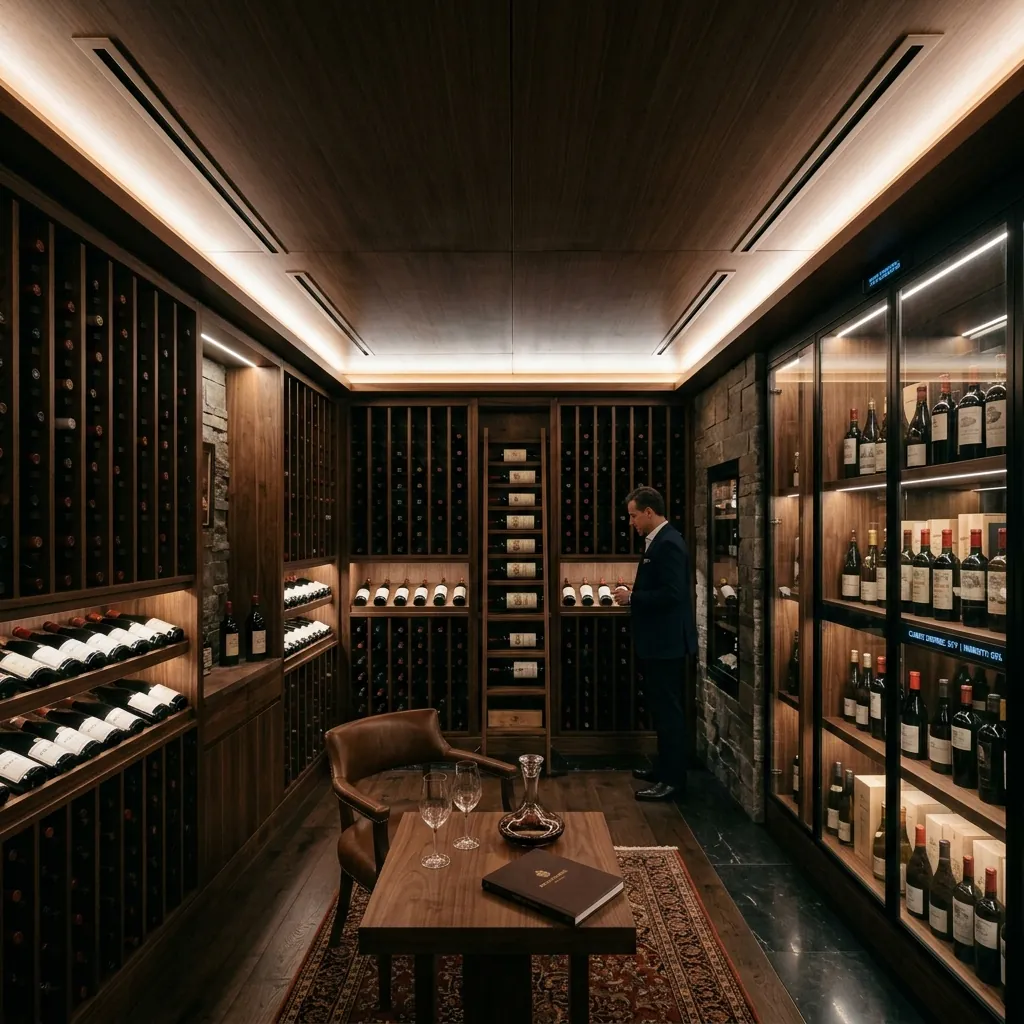
Protect every bottle with precision-built climate control designed for the demands of commercial wine storage in Garden Grove and throughout Orange County. From boutique wine rooms to high-volume hospitality spaces, the right system preserves flavor, value, and presentation.
Book a ConsultationIn a market like Garden Grove, where restaurants, hotels, private clubs, tasting rooms, and retail wine displays all compete for attention, commercial wine storage climate control is far more than a luxury feature—it is a business-critical investment. Wine is exceptionally sensitive to heat, humidity swings, vibration, and inconsistent airflow, and even short periods of poor storage conditions can compromise aroma, structure, and long-term value. For commercial operators in Orange County, where warm weather, coastal influence, and frequent door openings can all affect storage conditions, a properly engineered wine cooling system helps ensure every bottle is protected from the moment it arrives until the moment it is poured. VA Wine Cooling understands that commercial wine storage is not just about keeping wine cold; it is about creating a stable, controlled environment that supports inventory integrity, customer satisfaction, and brand reputation.
Commercial wine storage climate control systems are designed to maintain a consistent temperature range that protects wine from premature aging and flavor degradation. Stability matters as much as the actual temperature, because repeated fluctuations can expand and contract the liquid inside the bottle, stressing corks and allowing oxygen exposure that damages quality over time.
Proper humidity helps preserve cork integrity and prevents labels from drying, curling, or peeling. In a commercial setting, balanced humidity also supports a polished presentation, especially in wine rooms, display cellars, and retail environments where appearance influences customer perception and purchase decisions.
Wine should rest undisturbed, and commercial cooling systems built for wine storage minimize vibration that can disturb sediment and interfere with aging. This is especially important for premium reds, collectible vintages, and long-term inventory held in restaurants, hotels, and wine merchants.
Unlike residential systems, commercial wine storage climate control must accommodate larger spaces, heavier usage, and more complex layouts. Scalable solutions allow businesses to protect a modest bottle display or a full cellar with equal reliability, while supporting future growth and changing operational needs.
Commercial wine storage climate control begins with one simple principle: wine needs consistency. Unlike many beverages that can tolerate a wide range of conditions, wine is highly reactive to environmental changes. Heat can accelerate aging and flatten delicate flavors, while excessive cold can mute aromas and create storage stress. For businesses in Garden Grove and the broader Orange County area, this means a standard air-conditioning system is never enough. A true wine cooling system is engineered to maintain the exact conditions required for storage, often with specialized components that regulate temperature, manage humidity, and reduce vibration at the same time.
One of the most important distinctions in commercial wine storage is the difference between display cooling and genuine cellar protection. A beautifully lit wine wall may look impressive, but if the system behind it cannot maintain a stable environment, the bottles inside may be at risk. Restaurants and hospitality venues often face this challenge because the wine storage area may be visible to guests, integrated into the dining room, or built into a high-traffic service zone. That is why climate control must be designed around both aesthetics and performance. The system should support the visual presentation of the space without sacrificing the precise environmental control wine demands.
Humidity is another essential factor that is often overlooked until problems appear. In dry conditions, corks can shrink, allowing oxygen to enter the bottle and damage the wine. In overly humid conditions, labels may deteriorate and mold can become a concern. Commercial wine storage climate control helps strike the right balance, protecting the bottle from the inside and the outside. This is especially valuable for businesses that manage collectible wines, reserve lists, or premium inventory intended for long-term storage. When bottles are stored correctly, staff can serve them with confidence and customers can trust the quality of the selection.
Airflow and insulation also play major roles in system performance. A wine room or cellar with inadequate insulation may struggle to hold temperature, forcing the system to work harder and consume more energy. Poor airflow can create hot and cold spots, leading to uneven storage conditions across the room. In a commercial setting, these issues can become expensive quickly, especially when inventory turnover is high and the space is opened frequently. Properly engineered climate control addresses these challenges with thoughtful placement, sealed construction, and equipment sizing that matches the room’s real-world demands.
Ultimately, commercial wine storage climate control is about risk reduction and value preservation. Every bottle represents cost, reputation, and customer experience. Whether a business is storing a small curated list or managing a large cellar for service and resale, climate control protects that investment. VA Wine Cooling helps commercial clients in Garden Grove build systems that support both daily operations and long-term wine preservation, ensuring that the environment inside the storage area stays as dependable as the wine list itself.
Essential Wine Cellar Engineering Resources:
Garden Grove and the surrounding Orange County market present unique conditions that make specialized wine storage climate control especially important. The region’s warm temperatures, seasonal shifts, and coastal humidity patterns can all influence how a wine room performs. A system that works in a small residential environment may fall short in a commercial space where doors open frequently, customers move through the area, and lighting or kitchen equipment adds extra heat. Commercial wine cooling must be designed with these realities in mind, because a wine room that performs well on paper may still fail under the pressure of daily business operations.
Restaurants in particular face a demanding storage environment. A dining room wine display may sit near windows, kitchens, bar equipment, or entryways, all of which can introduce temperature fluctuations. Staff may access the storage area constantly, and every opening of the door lets in warm air that can disrupt the internal climate. Over time, this can create a cycle of stress on the cooling equipment if the system is undersized or poorly installed. The right commercial wine storage climate control solution takes these variables into account by providing enough capacity, proper ventilation, and strategic design to maintain consistency despite heavy use.
Hotels, private clubs, and event venues also benefit from commercial wine cooling because their wine inventories often serve multiple purposes. Some bottles are held for premium pours, others are reserved for special events, and some are stored for long-term aging or resale. This requires a storage environment that can handle different bottle types and turnover patterns without compromising quality. A reliable climate-controlled cellar gives operators flexibility, allowing them to curate a stronger wine program while protecting higher-value inventory from avoidable damage. In competitive hospitality settings, that level of control can become a meaningful part of the guest experience.
Retail wine merchants and tasting rooms have their own set of priorities. For them, the storage environment is part of the brand story. Customers notice when wine is presented in a clean, organized, temperature-controlled space, and that perception can influence purchasing behavior. If bottles are visibly warm, labels are damaged, or the room feels uncomfortably hot, confidence drops. Commercial wine storage climate control helps create a professional environment that signals care, expertise, and authenticity. That trust matters when customers are selecting premium bottles or building a relationship with a local wine retailer.
For businesses in Orange County, energy efficiency and long-term reliability also matter. Commercial systems should be built to handle frequent use without constant services or excessive operating costs. VA Wine Cooling works with businesses to design solutions that align with the space, the wine collection, and the operational demands of the property. By tailoring the system to the local climate and the specific business model, owners can avoid common failures and create a storage environment that performs season after season.
Selecting the right commercial wine storage climate control system starts with understanding the room itself. Size, insulation, bottle capacity, access frequency, and surrounding heat sources all affect the equipment requirements. A small wine display built into a restaurant wall will need a different solution than a large walk-in cellar used for aging inventory. The most effective systems are not chosen by guesswork; they are matched to the actual conditions of the space. This is why professional planning is so important. When the system is properly sized and installed, it can maintain ideal conditions without overworking, which helps extend the life of the equipment and protect the wine inside.
Commercial clients should also think beyond immediate needs and consider future growth. A wine program may begin with a modest selection but expand quickly as sales increase or the business refines its menu. The cooling system should be able to support that evolution. In some cases, this means planning for additional storage capacity, integrating modular components, or selecting equipment that can adapt to changing loads. A forward-thinking approach prevents expensive retrofits later and ensures the wine storage area remains useful as the business grows. This is especially important in competitive hospitality and retail markets where flexibility can create a real advantage.
Installation quality is just as important as system selection. Even the best commercial wine cooling equipment can underperform if it is installed without proper attention to insulation, sealing, ventilation, and drainage. Leaks, air gaps, or poor airflow can undermine the entire system and create hot spots that threaten inventory. A professional installation ensures that the room supports the cooling equipment instead of fighting against it. In practical terms, this means better efficiency, fewer maintenance issues, and more dependable wine preservation over the life of the system.
Maintenance should also be part of every commercial wine storage strategy. Filters, coils, drains, and controls all need periodic attention to keep the system operating at peak performance. Businesses that ignore maintenance may not notice a problem until bottles have already been exposed to poor conditions. Regular service helps prevent costly surprises and keeps the environment stable throughout the year. For busy commercial properties in Garden Grove, proactive maintenance is a smart investment because it protects both the wine and the business reputation associated with it.
VA Wine Cooling helps commercial clients evaluate these details with a practical, solutions-focused approach. The goal is not simply to install equipment, but to create a dependable wine storage environment that supports service quality, inventory protection, and long-term business success. When the room is designed correctly, the cooling system becomes an invisible asset—working quietly in the background while the business focuses on serving customers and building its wine program.
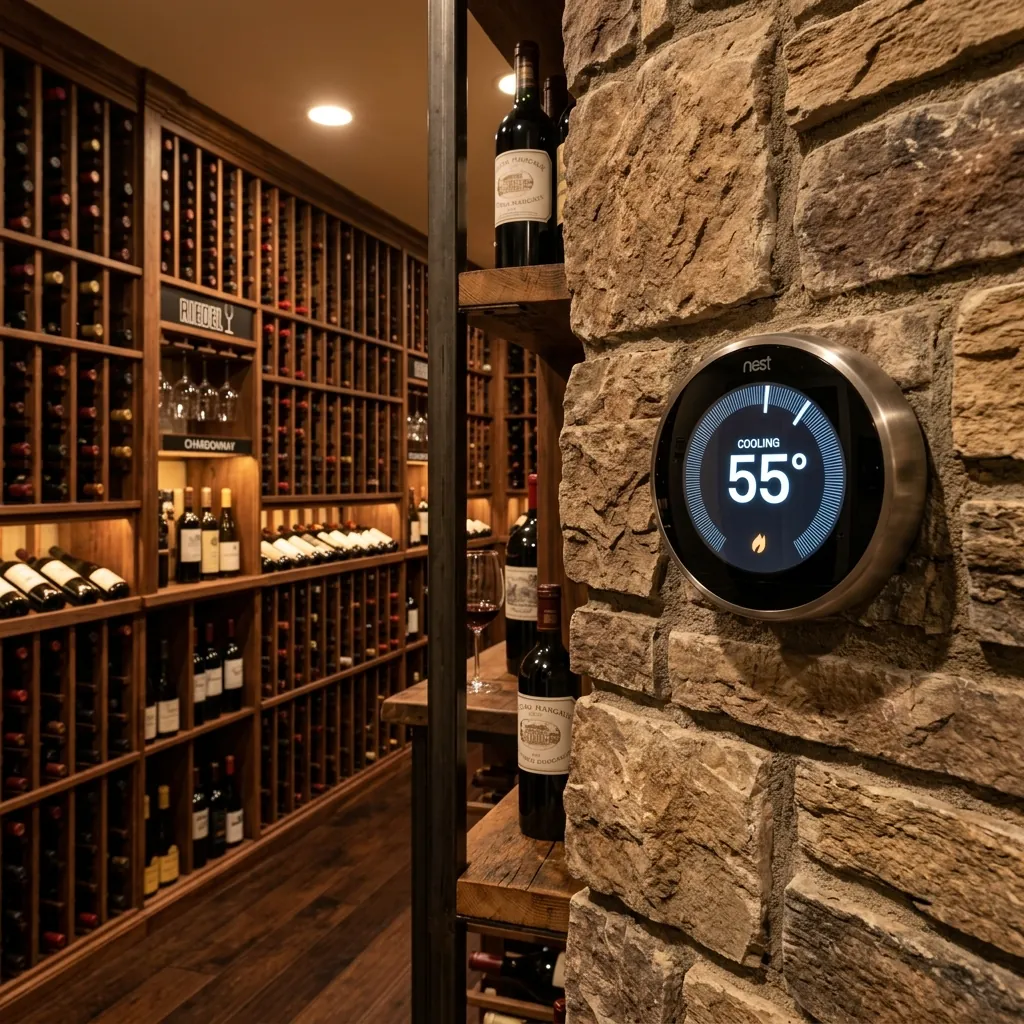
Commercial wine storage is generally kept in a stable range around 55°F, though the ideal setting can vary slightly depending on the wine program, the bottles being stored, and whether the space is intended for short-term service storage or long-term aging. The most important factor is consistency. Sudden swings are far more damaging than being a degree or two above or below the target. A properly designed commercial wine storage climate control system keeps the temperature steady so corks remain intact, flavors stay balanced, and the wine develops as intended. In a commercial environment, especially in Garden Grove and Orange County where ambient heat can be a challenge, precision matters because even minor fluctuations can add up over time and affect inventory quality.
Standard air conditioning is built to cool people and general spaces, not to protect wine. It often cycles on and off in a way that creates temperature swings, and it typically does not manage humidity or vibration with the care required for wine storage. Commercial wine cooling systems are engineered specifically for bottle preservation. They are designed to maintain a narrow temperature range, support proper humidity levels, and operate in a way that minimizes stress on the wine. They also account for the unique construction needs of wine rooms, including insulation, vapor barriers, and airflow patterns. For businesses storing valuable inventory, using standard HVAC instead of purpose-built wine cooling can lead to avoidable damage and costly losses.
Yes, because the way wine is stored and accessed differs significantly between restaurants, retail shops, tasting rooms, and hospitality venues. Restaurants often need systems that can handle frequent access, display integration, and service-driven inventory turnover. Retail shops may prioritize visual presentation, bottle organization, and customer-facing displays, while tasting rooms may need a balance of accessibility and long-term preservation. The right solution depends on the room layout, the amount of wine stored, how often the space is opened, and the business goals for the collection. A tailored commercial wine storage climate control system ensures the equipment supports the actual workflow of the business rather than forcing the business to adapt to a generic cooling setup.
Whether you need installation, service, or maintenance — our team is ready to help. Fill out the form below and we'll get back to you within 24 hours.
By submitting this form, you agree to our Privacy Policy. CSLB Lic#1055057
VA Wine Cooling engineers and maintains precision commercial and residential cooling systems across Southern California.