Protect every bottle as if it were irreplaceable. VA Wine Cooling delivers precision climate control solutions designed to preserve the value, integrity, and long-term aging potential of investment-grade wine.
Book a ConsultationInvestment-grade wine is not simply a luxury product; it is a living asset whose value depends on stable, carefully managed environmental conditions from the moment it enters storage. Unlike everyday beverage storage, where short-term convenience may be acceptable, fine wine storage requires a precise balance of temperature, humidity, airflow, vibration control, and light protection to preserve provenance and aging potential. Even small fluctuations can accelerate chemical changes inside the bottle, compromise cork integrity, and diminish the qualities that make a wine collectible in the first place. For collectors, investors, private cellar owners, restaurants, and hospitality venues, the consequences of inadequate climate control are not just about taste—they are about protecting a financial asset that may appreciate over years or decades. VA Wine Cooling specializes in advanced wine cellar cooling systems and precision climate control strategies that help create the stable storage environment serious wine deserves, ensuring each bottle remains in optimal condition for future enjoyment, resale, or auction.
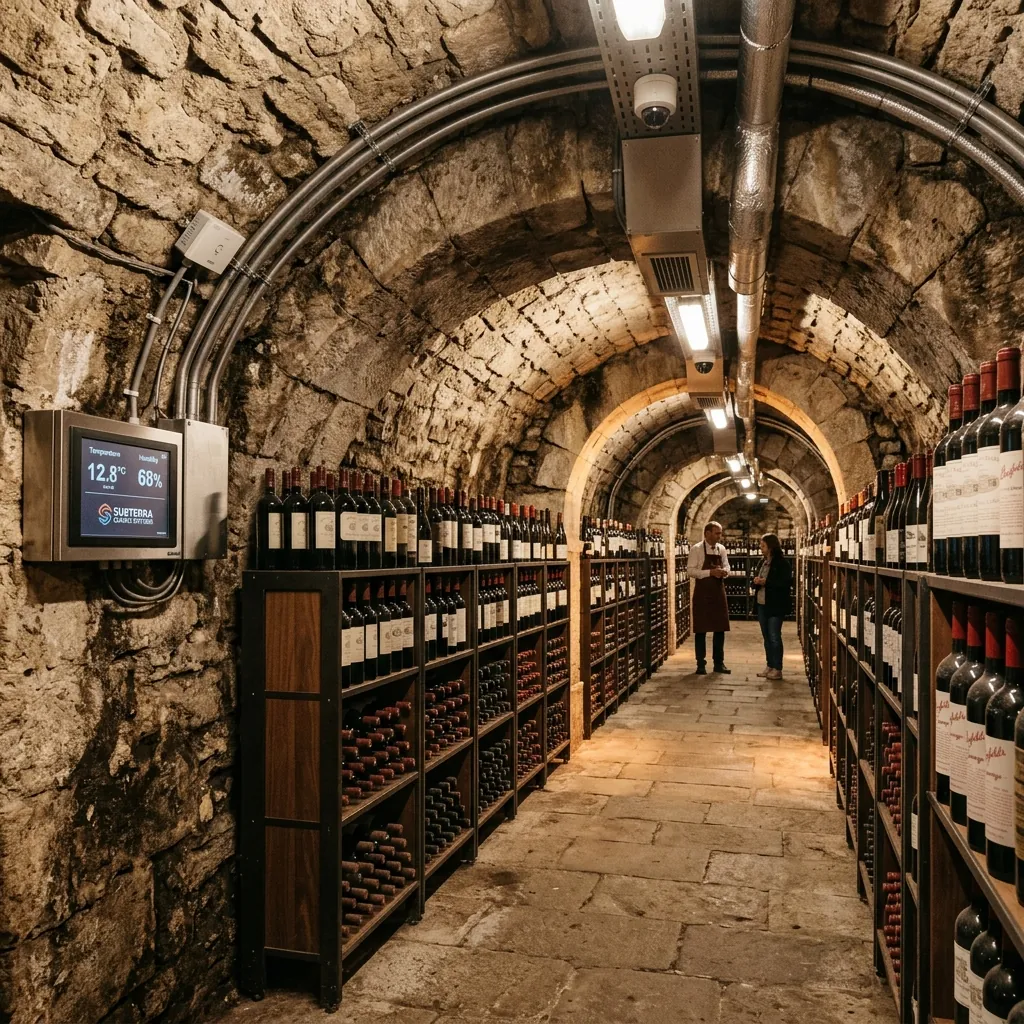
A properly engineered wine cooling system maintains a consistent cellar temperature that supports long-term maturation without exposing bottles to damaging spikes or drops. Precision temperature control is one of the most important factors in preserving investment-grade wine.
Controlled humidity helps protect corks from drying out while preventing excess moisture that can encourage mold or damage labels. The right balance supports bottle integrity, cellar cleanliness, and long-term value preservation.
Investment-grade wine benefits from a quiet, low-vibration environment that avoids disturbing sediment and reduces mechanical stress. Advanced cooling technology helps maintain the stillness required for proper aging.
Every cellar has unique dimensions, insulation requirements, and storage goals. VA Wine Cooling supports tailored solutions that align system performance with the specific needs of high-value wine collections.
Protecting investment-grade wine begins with understanding that wine is a delicate, evolving product whose internal chemistry responds continuously to its surroundings. Temperature is the most widely discussed factor, but it is only one part of a broader preservation equation. When a cellar is too warm, the aging process accelerates beyond the wine’s intended pace, causing aromas to flatten, structure to soften, and complexity to erode long before the bottle reaches its ideal drinking window. When a cellar is too cold, the maturation process can stall, creating an environment that may appear safe on the surface while silently limiting the wine’s long-term development. Precision climate control exists to avoid these extremes by maintaining a stable environment that allows wine to evolve gradually and predictably, which is exactly what collectors and investors want when they are safeguarding bottles that may carry significant market value.
Humidity control is equally essential because the cork is the gateway between the wine and the outside world. A cork that dries out can shrink, allowing air to enter the bottle and slowly oxidize the contents, while excessive humidity can encourage mildew, damage labels, and create storage conditions that are less than ideal for a premium collection. The goal is not simply to make a room feel cool; it is to create a balanced microclimate where temperature and humidity work together to protect bottle integrity. VA Wine Cooling understands that serious wine storage requires this level of nuance, and that a well-designed cellar cooling system must be calibrated to the specific construction, insulation, and usage patterns of the space. This is why precision matters: the system must respond to the cellar’s actual thermal load rather than operate on assumptions that may leave the collection vulnerable.
Airflow also plays a more important role than many people realize. In a wine cellar, stagnant pockets of air can create localized temperature and humidity imbalances, while overly aggressive airflow can dry out corks or create unnecessary movement in the environment. The ideal system delivers gentle, consistent circulation that supports even conditions throughout the cellar without creating turbulence or noise. This matters especially in investment-grade storage, where multiple rows, racks, or display configurations may produce subtle variations in how air moves around the bottles. A precision climate-controlled cellar minimizes these inconsistencies, helping to ensure that every bottle—from the most accessible to the most deeply stored—benefits from the same protective environment. That consistency is one of the hidden foundations of preserving value over time.
Vibration is another factor that can quietly undermine a wine collection. While a single minor disturbance may not ruin a bottle, repeated vibration from poorly designed cooling equipment, nearby appliances, or structural sources can disturb sediment and interfere with the slow, natural settling process that fine wine depends on during aging. Over time, this can affect texture, clarity, and the overall sensory experience. For investment-grade wine, where condition and provenance are central to valuation, the cellar must be a place of calm and stability. High-quality cooling systems are engineered to operate with minimal vibration and low noise, allowing the wine to rest undisturbed. VA Wine Cooling focuses on solutions that support this stillness, because preserving the quiet environment around the bottles is just as important as controlling the temperature of the room itself.
Light exposure is often overlooked until damage has already occurred. Ultraviolet light and prolonged bright exposure can degrade delicate compounds in wine, leading to premature aging and flavor deterioration. This is why fine wine should be stored in a protected environment with controlled or minimal lighting. Precision climate control works best when paired with a cellar design that considers insulation, door quality, glass treatment, and lighting strategy as part of a complete preservation system. Investment-grade wine deserves a storage environment that reduces every unnecessary risk, from heat gain through walls and doors to exposure through display features or frequent access. The more carefully these variables are managed, the more confidently a collector can preserve the bottle’s intended character and market value.
In practical terms, precision climate control is not a luxury add-on; it is the infrastructure that protects the asset. Whether the collection consists of rare Bordeaux, prestigious Burgundy, collectible Napa Valley vintages, or limited-production international releases, each bottle may represent a meaningful financial commitment. For some owners, the cellar is also a legacy project, a curated archive of bottles intended to be opened on important occasions or passed down to future generations. In either case, the storage environment must be as intentional as the collection itself. VA Wine Cooling helps transform ordinary rooms into controlled preservation spaces where every environmental variable is managed with purpose, giving collectors the confidence that their wine is aging in conditions that support quality, authenticity, and long-term value.
Essential Wine Cellar Engineering Resources:
The value of investment-grade wine is tied not only to producer, vintage, and rarity, but also to condition. A bottle stored in a stable, professionally controlled cellar has a significantly better chance of maintaining the characteristics that collectors, sommeliers, and buyers expect. That is why the right wine cellar cooling system should be viewed as a preservation tool and a risk-management investment rather than a simple mechanical appliance. When temperature and humidity remain within a carefully maintained range, the wine is less likely to experience the stress that leads to premature aging, cork failure, or compromised flavor development. In a market where condition can dramatically influence resale value, the quality of storage can be as important as the wine itself.
One of the most important benefits of a dedicated wine cooling system is predictability. Wine does not need dramatic changes in its environment; in fact, those changes are often harmful. A cellar that swings from warm to cool and back again places stress on the bottle, the closure, and the liquid inside. Over time, repeated fluctuations can expand and contract the contents, increasing the likelihood of leakage or oxidation. A precision system helps eliminate those swings by continuously monitoring and regulating the cellar environment. This steady performance is especially important in regions with seasonal temperature extremes or in homes and facilities where the cellar is located near exterior walls, mechanical rooms, or other heat-generating spaces. VA Wine Cooling designs solutions that respond to these realities, helping collectors achieve dependable results in real-world conditions.
Another major benefit is the protection of provenance. For investment-grade wine, provenance is the documented history of storage and handling, and it can have a profound effect on market confidence. Buyers are far more likely to trust wines that have been stored in a professional-grade cellar with proper climate control than those kept in questionable conditions. A well-maintained wine cooling system contributes to that story by supporting an environment that aligns with best practices for long-term storage. In other words, climate control does not just preserve the wine physically; it also helps preserve the narrative of care that supports future valuation. This is particularly relevant for collectors who may one day sell through auction houses, specialty retailers, or private channels where condition and storage history are scrutinized carefully.
Precision climate control also protects the visual presentation of a collection. Labels, capsules, corks, and bottle surfaces all contribute to the appearance and perceived quality of a cellar. Excess humidity can cause labels to wrinkle, stain, or peel, while insufficient humidity can dry out corks and create visible signs of deterioration. For collectors who take pride in display cellars or who want their collection to be both functional and beautiful, maintaining the appearance of each bottle matters. A wine cellar cooling system that balances humidity and temperature helps keep the collection looking as refined as it is valuable. This is especially important in hospitality settings, tasting rooms, private clubs, and luxury residences where the cellar itself is part of the overall experience and should reflect the caliber of the wines stored within it.
In addition to preserving individual bottles, a properly designed system helps protect the broader investment represented by the entire collection. A cellar may contain wines acquired over many years, each bottle purchased at a different price point and intended for a different future purpose. Some may be held for appreciation, some for special events, and others as part of a carefully curated portfolio. Losing even a portion of that collection to environmental damage can represent a substantial financial setback. That is why a reliable cooling system should be considered part of the ownership strategy. It helps reduce avoidable risk, supports long-term planning, and gives owners a greater degree of control over how their collection matures. VA Wine Cooling provides the kind of precision-focused solutions that align with this mindset, helping collectors protect both the emotional and financial dimensions of their wine holdings.
There is also a practical, operational advantage to choosing a system designed for wine specifically. General-purpose cooling equipment may be able to reduce room temperature, but it often lacks the sensitivity required for the unique demands of a cellar. Wine storage calls for stable performance, careful humidity management, and quiet operation over long periods of time. A purpose-built system is better equipped to handle those demands without creating new problems such as excessive dryness, uneven cooling, or disruptive mechanical noise. This distinction matters because the best wine cellar is not merely cold—it is controlled. And control, in the context of investment-grade wine, means creating an environment where every bottle can age gracefully, every label can remain presentable, and every future opening can reflect the quality that was intended from the start.
Choosing the right partner for wine cellar cooling is about more than selecting equipment; it is about trusting a team to help protect a collection that may represent years of acquisition, curation, and financial commitment. VA Wine Cooling understands that serious collectors need more than a one-size-fits-all approach. They need guidance that accounts for cellar size, insulation quality, bottle quantity, room usage, architectural constraints, and the long-term goals of the owner. A high-value cellar is not just another room in the home or facility. It is a preservation environment, and it should be treated with the same attention to detail that a museum gives to its most important artifacts. That mindset informs every stage of the process, from system selection to performance considerations and long-term climate stability.
One of the reasons collectors seek out specialized wine cooling expertise is that investment-grade storage often involves complex conditions. A cellar may be built below grade, integrated into a custom home, located near a kitchen or entertainment area, or designed as a showpiece with glass elements and decorative finishes. Each of these design choices affects thermal load and environmental stability. A system that works well in one room may perform poorly in another if those variables are not properly evaluated. VA Wine Cooling focuses on precision because precision is what turns a beautiful cellar into a reliable one. The objective is not simply to install a cooling unit, but to engineer a climate solution that supports the cellar’s structure, the collection’s needs, and the owner’s long-term preservation goals.
Collectors also benefit from systems and strategies that prioritize longevity. A wine cellar cooling system should be selected not only for immediate performance but also for how it will function over years of continuous use. Reliability matters because the collection does not pause when the system is off-duty; it remains vulnerable every hour of every day. That is why durable components, proper sizing, thoughtful installation, and ongoing maintenance are all critical elements of a successful wine storage strategy. When these factors are addressed correctly, the result is a cellar that performs consistently and quietly in the background, allowing the owner to enjoy peace of mind while the wine matures as intended. VA Wine Cooling’s approach centers on this long-view perspective, helping customers build storage environments that are as dependable as they are refined.
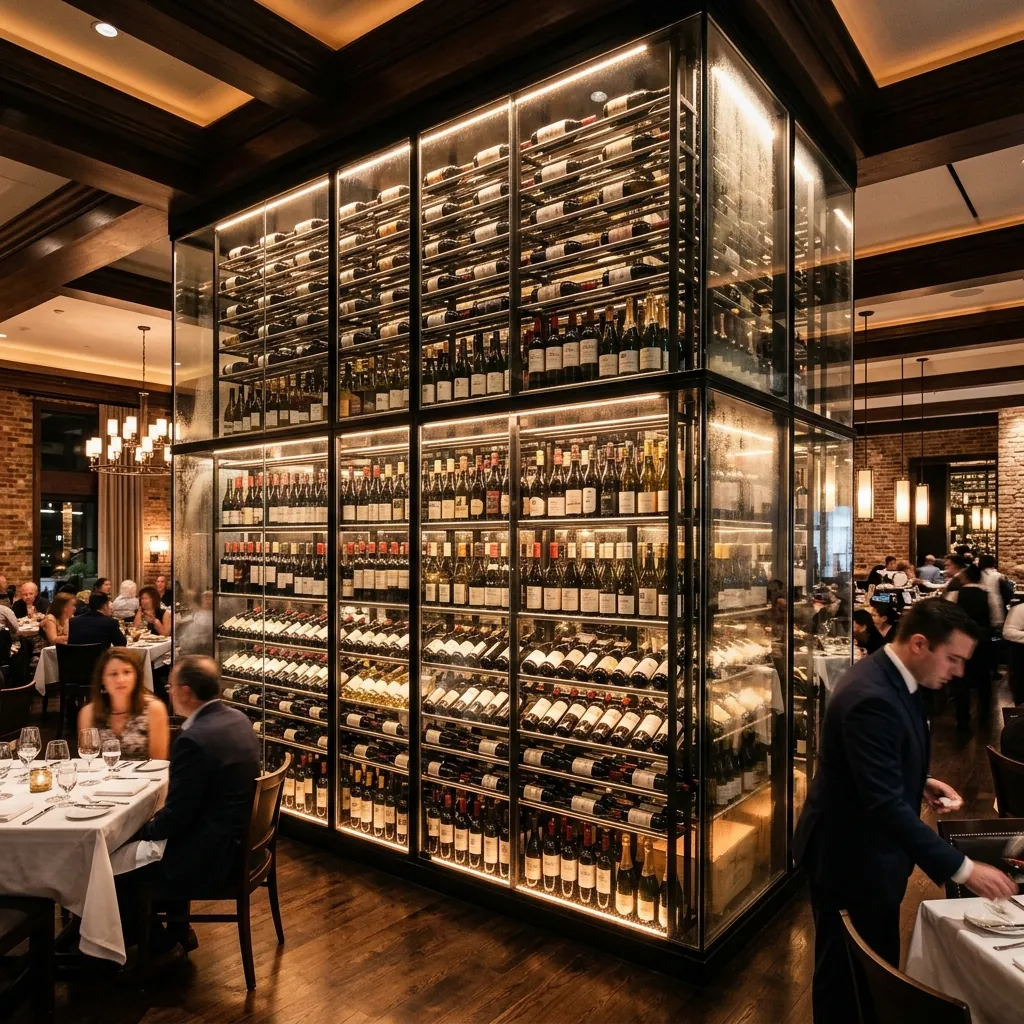
Another advantage of working with a specialist is the ability to align technical performance with aesthetic goals. Many investment-grade cellars are designed to be visually impressive, featuring custom racking, glass doors, integrated lighting, and architectural finishes that elevate the space. However, these features can introduce thermal and humidity challenges if not planned carefully. A skilled wine cooling partner understands how to preserve the beauty of the cellar without compromising climate control. This balance is essential for owners who want a space that is both functional and elegant. With the right strategy, the cellar becomes a showcase for the collection while still delivering the stable conditions necessary to protect every bottle inside it.
For restaurants, hotels, private clubs, and luxury hospitality environments, the stakes are even higher because the cellar often serves both operational and brand purposes. Guests expect premium wines to be stored properly, and the cellar itself reflects the establishment’s commitment to quality. A failure in climate control can affect inventory, reputation, and revenue. Precision wine cellar cooling supports these environments by helping ensure that the wine program remains consistent, credible, and ready for service or resale. Whether the collection is private or commercial, the principle remains the same: serious wine deserves serious protection. VA Wine Cooling is positioned to deliver that protection through solutions that are tailored, thoughtful, and built around the realities of high-value wine storage.
Ultimately, the right partner helps transform concern into confidence. Collectors should not have to wonder whether their cellar is stable enough, dry enough, quiet enough, or consistent enough to protect their investment. They should be able to trust that the environment has been designed with care and maintained with precision. That confidence is one of the greatest benefits of a professionally managed wine storage solution. It allows owners to focus on building their collections, planning future openings, and enjoying the cultural and financial rewards of fine wine, while knowing that the cellar is doing its job every day in the background. VA Wine Cooling exists to make that level of confidence possible through climate control solutions that respect both the art and the economics of investment-grade wine.
Investment-grade wine is typically stored in a stable environment around 55°F, though the most important factor is consistency rather than a single exact number. A properly designed wine cellar cooling system should maintain steady conditions with minimal fluctuation so the wine can age gradually and safely over time. Sudden changes in temperature are far more damaging than a slight variation within an acceptable range, which is why precision climate control matters so much for long-term preservation.
Humidity control helps protect corks from drying out and reduces the risk of oxidation caused by air entering the bottle. At the same time, it helps prevent excess moisture that can lead to mold, mildew, and label damage. For investment-grade wine, balanced humidity is essential because it supports both the physical integrity and the visual condition of the bottles, which can influence long-term value and resale potential.
A standard air conditioner is not a substitute for a dedicated wine cellar cooling system. General HVAC units are designed to cool living spaces, not to maintain the stable temperature, humidity balance, and low-vibration environment required for proper wine storage. They often cycle too aggressively, remove too much moisture, and create conditions that are less than ideal for aging fine wine. A purpose-built wine cooling solution is the better choice for protecting investment-grade bottles.
Whether you need installation, service, or maintenance — our team is ready to help. Fill out the form below and we'll get back to you within 24 hours.
By submitting this form, you agree to our Privacy Policy. CSLB Lic#1055057
VA Wine Cooling engineers and maintains precision commercial and residential cooling systems across Southern California.