Protect your wine collection with expert HVAC system maintenance designed for Lake Forest’s unique climate. Learn how proactive care preserves temperature stability, humidity control, and long-term performance in your wine room.
Book a ConsultationA wine room is far more than a storage space—it is a controlled environment built to safeguard the flavor, value, and aging potential of every bottle inside. In Lake Forest, Orange County, where warm days, seasonal temperature swings, and coastal-influenced humidity can place extra strain on climate control equipment, HVAC system maintenance is not optional. It is one of the most important investments a wine collector can make. Whether your wine room is a private residential cellar, a custom-built display room, or part of a luxury entertainment space, consistent maintenance helps ensure the system can hold steady conditions year-round and protect your collection from avoidable damage.
Wine is highly sensitive to temperature fluctuations, and even short periods of instability can compromise aging. Regular HVAC maintenance helps keep your wine room operating within the ideal range, reducing stress on compressors, evaporators, and controls.
Humidity is just as important as temperature because it protects corks, labels, and the long-term integrity of stored bottles. Proper servicing helps prevent overly dry conditions, excess moisture, and the mold issues that can occur when systems are neglected.
A well-maintained HVAC system experiences less wear, fewer breakdowns, and improved energy efficiency. Routine inspections, cleaning, and calibration can extend the life of specialized wine room equipment and reduce costly emergency services.
Your wine collection may represent years of investment and personal passion. HVAC maintenance provides peace of mind by helping preserve vintage quality, prevent spoilage, and ensure your cellar continues to perform as intended.
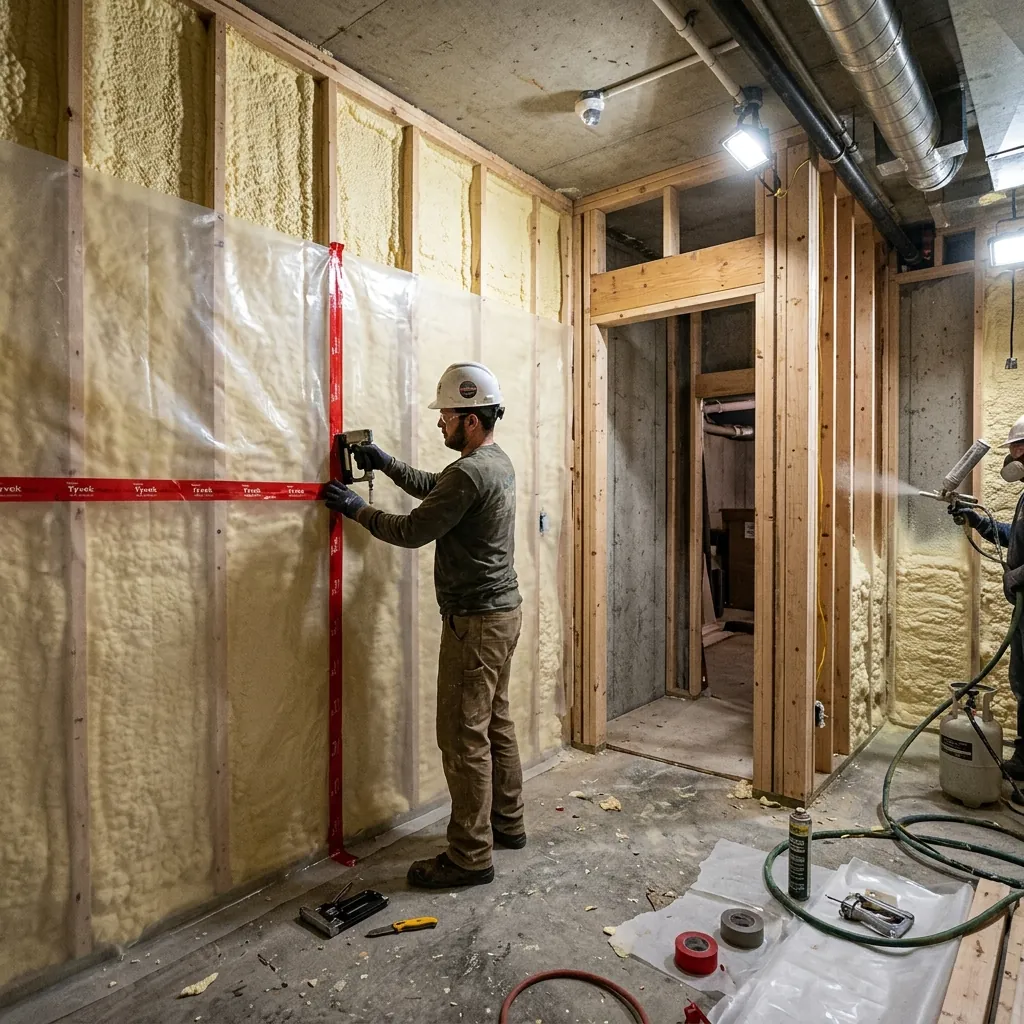
Wine room HVAC systems are not the same as standard residential heating and cooling equipment. They are purpose-built to maintain a narrow band of temperature and humidity conditions that support wine preservation over the long term. In Lake Forest, where homes often feature high-end custom spaces and demanding architectural finishes, these systems must work efficiently while blending into the design of the room. That means maintenance must address not only mechanical performance but also airflow, insulation, vapor barriers, and control accuracy. When any one of these elements drifts out of alignment, the entire storage environment can become unstable.
For many homeowners, the biggest misconception is that once a wine room is installed, it will continue to perform well on its own. In reality, specialized HVAC systems are sensitive to dust buildup, clogged filters, refrigerant issues, blocked airflow, and calibration drift. The system may still run, but it may no longer be maintaining the precise conditions your wine requires. That is why professional wine room HVAC maintenance in Lake Forest is so important: it identifies small issues before they become costly failures that threaten the integrity of your collection.
Orange County’s climate adds another layer of complexity. While Lake Forest enjoys many beautiful days, the region also experiences heat, dry air, and occasional humidity shifts that can challenge climate-controlled spaces. A wine room that is perfectly sealed and properly maintained can handle these changes, but a neglected system may struggle to keep up. Over time, inconsistent operation can lead to temperature spikes, condensation, cork drying, label damage, and premature aging. Routine maintenance helps your equipment respond accurately to local conditions and keeps the room performing with precision.
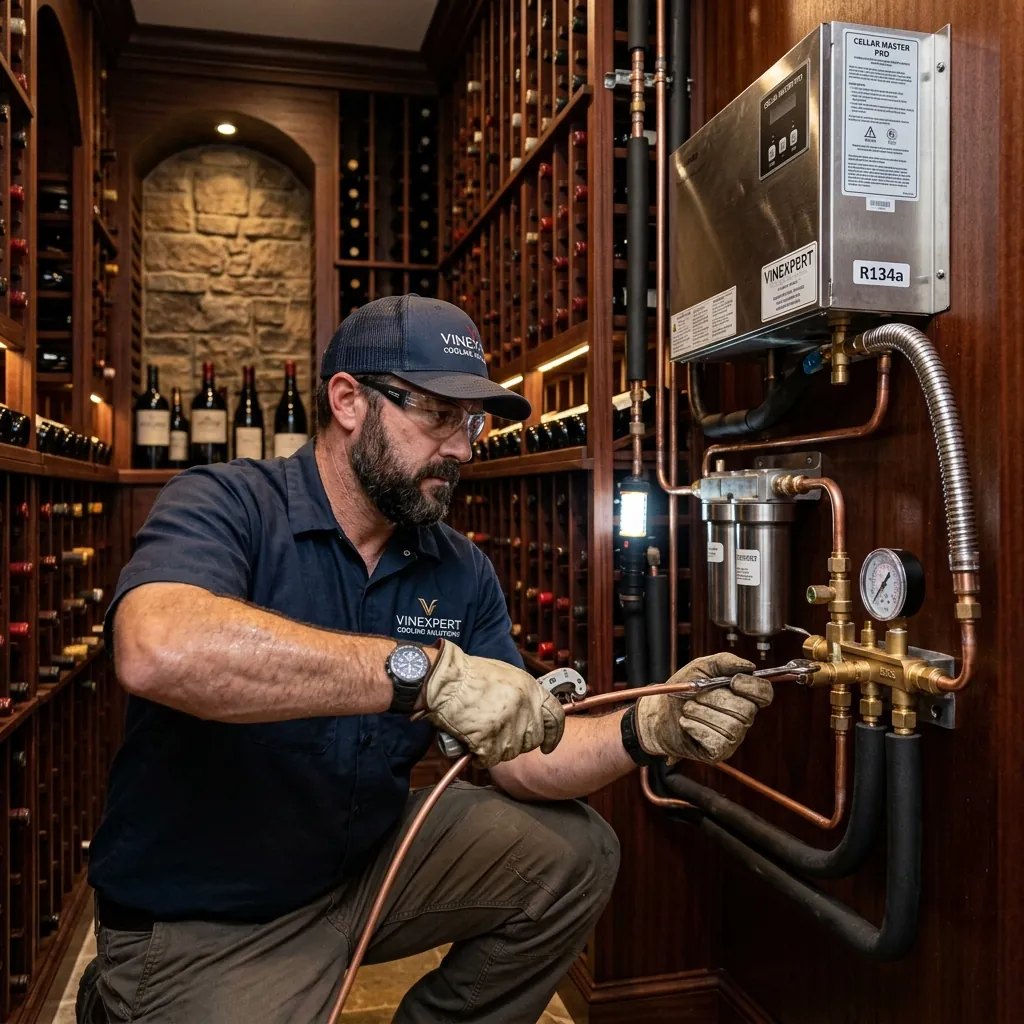
It is also important to understand that wine room HVAC systems often include multiple components working together, such as dedicated cooling units, thermostats, humidifiers, drains, controls, and insulation systems. Maintenance is therefore not just about checking whether the unit turns on. It involves a detailed review of the entire environment, ensuring that each component supports the stable preservation conditions wine demands. Homeowners who take this approach are far more likely to enjoy dependable performance, lower operating costs, and a cellar that protects their bottles for years to come.
Essential Wine Cellar Engineering Resources:
One of the most valuable habits a wine room owner can develop is learning how to recognize early warning signs of HVAC trouble. In many cases, the system will show subtle symptoms long before a complete breakdown occurs. If the room feels warmer than usual, if the humidity seems inconsistent, or if the unit cycles on and off more frequently than normal, it is time to investigate. These symptoms may seem minor at first, but in a wine room they can quickly become serious because the environment must remain stable at all times.
Unusual noises are another common indicator that maintenance is overdue. Grinding, rattling, buzzing, or hissing sounds may point to mechanical wear, airflow restrictions, or refrigerant concerns. Likewise, visible condensation on glass, walls, or shelving can suggest the system is not controlling moisture properly. In a wine room, excess moisture is particularly problematic because it can encourage mold growth, damage labels, and create conditions that compromise the room’s long-term cleanliness and appearance. If you notice these signs, prompt service can often prevent more expensive damage later.
Energy usage can also reveal problems. If your utility bills rise unexpectedly, the HVAC unit may be working harder than it should to maintain the set temperature. This can happen when coils are dirty, fans are obstructed, sensors are misreading conditions, or the room’s insulation has begun to fail. A properly functioning wine room cooling system should operate efficiently and consistently. When it starts consuming more energy without delivering better results, that is a strong signal that maintenance or service is needed.
Perhaps the most important sign is inconsistency. Wine rooms should not experience dramatic temperature swings, and even small fluctuations can add up over time. If you find yourself adjusting settings frequently, noticing warm spots in certain areas, or seeing bottles stored near the door behave differently than those in the center of the room, the system may need professional evaluation. In Lake Forest, where external conditions can shift throughout the year, consistency is the hallmark of a healthy wine room HVAC system and the clearest indicator that maintenance is being done correctly.
Homeowners should also pay attention to the age of the system and the schedule of previous service visits. Even if the equipment seems to be operating normally, preventative maintenance is essential because many issues develop internally and are not immediately visible. A trained technician can measure performance, test components, and identify concerns that would otherwise go unnoticed until they threaten the collection. That proactive approach is one of the smartest ways to protect both your wine and your investment in the room itself.
Professional HVAC maintenance for wine rooms is about much more than keeping equipment running. It is a preservation strategy that protects the quality, value, and longevity of the wine inside the cellar. A skilled technician understands how temperature, humidity, airflow, and insulation work together to create the ideal environment for aging. During a maintenance visit, the system is evaluated as a complete climate-control solution rather than as a standalone appliance. This holistic approach is especially important in Lake Forest, where many wine rooms are custom-designed and require precise adjustments to perform at their best.
One of the biggest benefits of professional service is calibration. Over time, sensors and controls can drift, causing the system to misread conditions and respond incorrectly. A room may appear to be within range, but if the thermostat is inaccurate, the actual environment may be warmer, drier, or more unstable than expected. Proper maintenance corrects these discrepancies and restores confidence that the wine room is truly protecting the collection. For serious collectors, that accuracy is essential because wine aging depends on consistency over months and years, not just momentary comfort.
Professional maintenance also helps reduce the risk of expensive emergency services. When a system is inspected regularly, technicians can identify worn parts, restricted airflow, low refrigerant, drainage issues, and seal failures before they lead to major downtime. This is particularly valuable for wine rooms because even a short interruption in cooling can create conditions that are difficult to reverse. Preventative care allows homeowners to plan service on their own schedule rather than reacting to a crisis after bottles have already been exposed to harmful conditions.
Another major advantage is efficiency. A clean, tuned, and properly balanced HVAC system uses less energy to maintain the same environment. That means lower operating costs and less strain on the equipment over time. In a region like Orange County, where homeowners often care about both performance and sustainability, efficient operation is a meaningful benefit. A well-maintained wine room system can quietly do its job in the background while preserving energy and reducing unnecessary wear on critical components.
Most importantly, maintenance protects peace of mind. Wine rooms are often built around a personal passion, a legacy collection, or a significant investment in home design. Knowing that the HVAC system is being serviced correctly allows homeowners to enjoy their cellar without constant worry. Instead of wondering whether the room is stable, they can focus on the pleasure of collecting, entertaining, and sharing bottles at the right moment. That confidence is one of the greatest returns on regular maintenance.
In most cases, a wine room HVAC system should be professionally serviced at least once or twice per year, with additional checkups if the room is heavily used, the system is older, or the space has shown signs of instability. Because wine storage depends on consistency, preventative maintenance is more important than waiting for problems to appear. In Lake Forest, Orange County, seasonal temperature changes and local environmental conditions can place extra demand on the system, so regular inspections help ensure the cooling unit, humidity controls, filters, drains, and seals remain in proper working order. A good maintenance schedule should include cleaning, calibration, performance testing, and a detailed review of the room’s insulation and vapor barrier so the system can continue protecting the collection without interruption.
If a wine room HVAC system is neglected, the consequences can affect both the equipment and the wine itself. Dust and debris can reduce airflow, dirty coils can force the system to work harder, refrigerant issues can weaken cooling performance, and inaccurate controls can cause temperature and humidity drift. Over time, these problems may lead to condensation, mold growth, dry corks, label damage, unpleasant odors, and premature wine aging. In severe cases, the room may fail to stay within safe storage conditions for long enough to compromise an entire collection. Maintenance is the best defense against these issues because it catches small concerns before they become costly failures. For collectors in Lake Forest, where many wine rooms are custom-built and house valuable bottles, proper maintenance is essential for protecting both the cellar and the investment inside it.
While homeowners can handle basic visual checks such as looking for condensation, monitoring temperature readings, and making sure vents are unobstructed, most wine room HVAC maintenance should be performed by a professional. These systems are specialized and often include components that require technical knowledge, calibration tools, and experience with wine storage environments. A professional technician can test system performance, inspect refrigerant levels, clean internal components safely, verify humidity control, and identify hidden issues that are not obvious to the average homeowner. DIY efforts alone are usually not enough to ensure the precision a wine room demands. Because wine is highly sensitive to environmental changes, professional maintenance offers a much higher level of protection, reduces the risk of accidental damage, and helps ensure the system performs reliably year after year.
Whether you need installation, service, or maintenance — our team is ready to help. Fill out the form below and we'll get back to you within 24 hours.
By submitting this form, you agree to our Privacy Policy. CSLB Lic#1055057
VA Wine Cooling engineers and maintains precision commercial and residential cooling systems across Southern California.