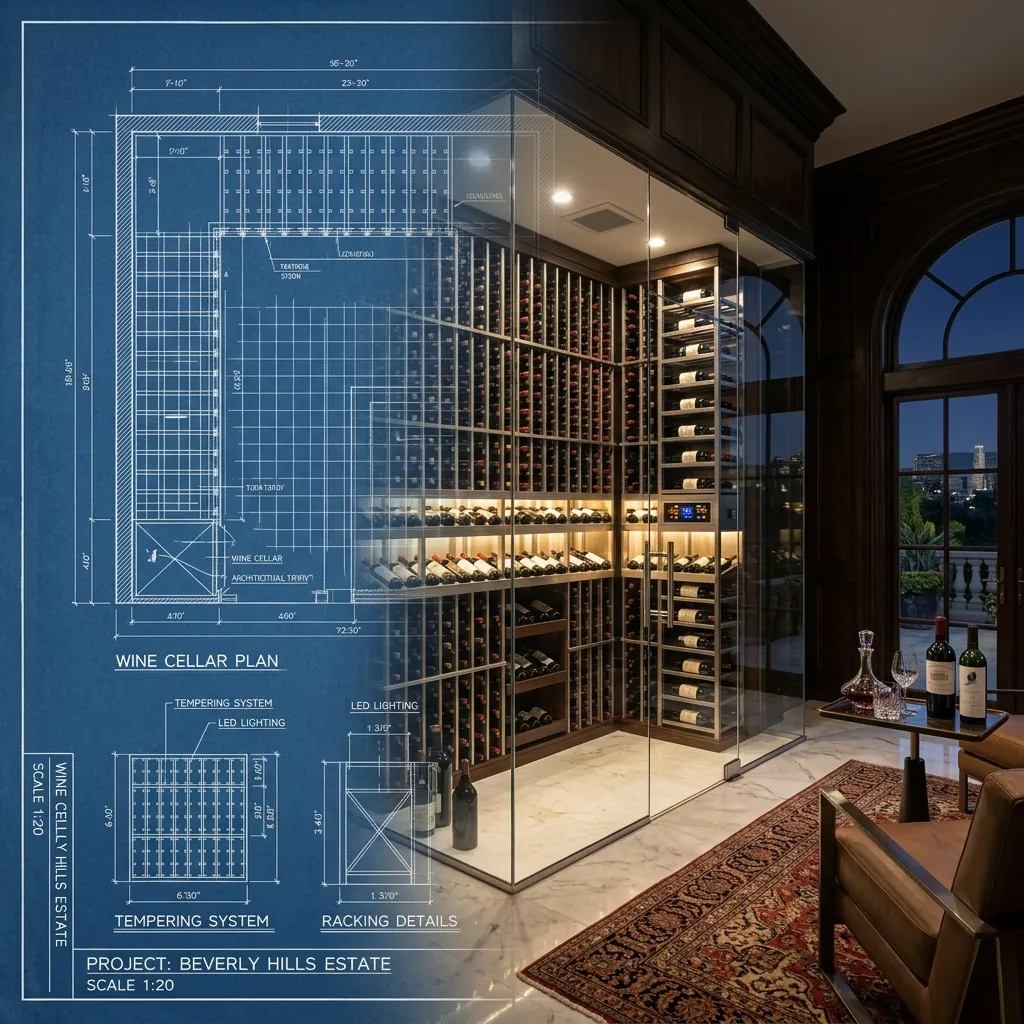
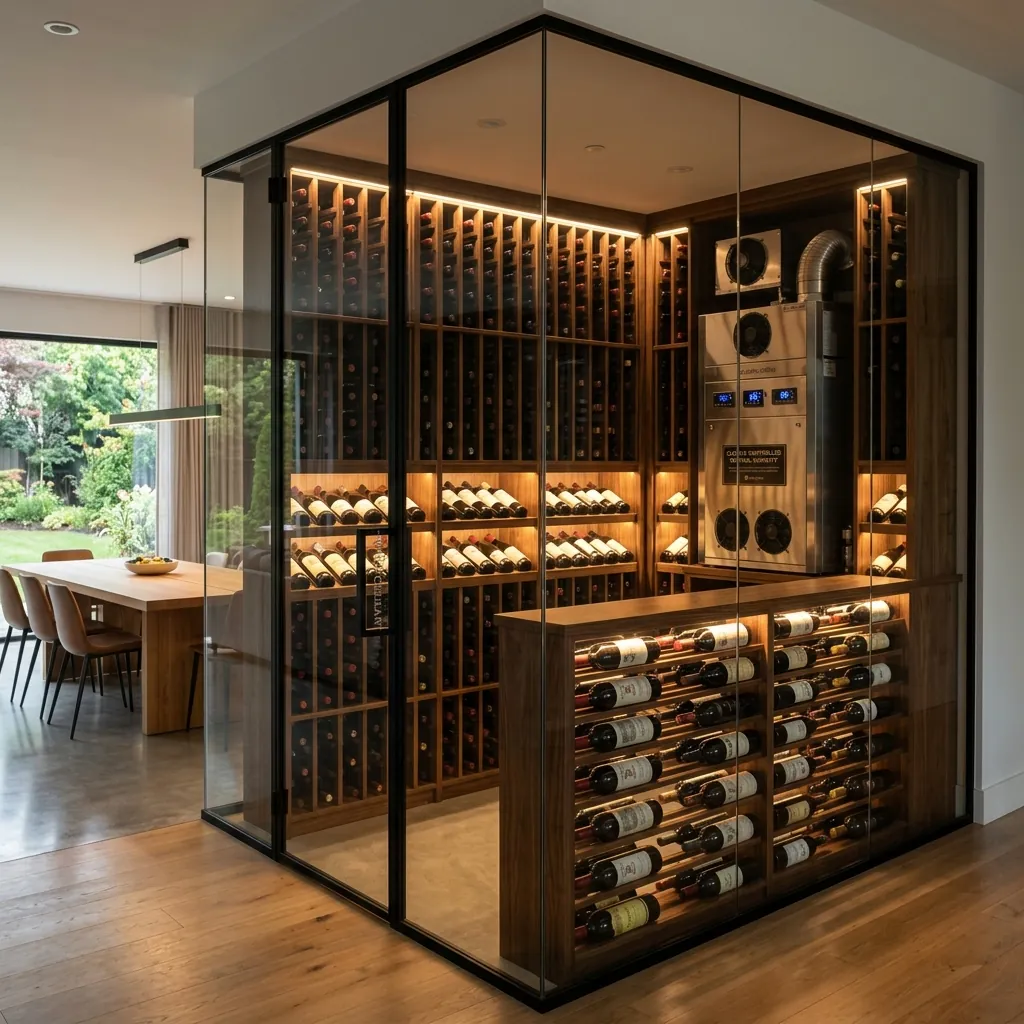
Protect every bottle with commercial-grade wine locker refrigeration designed for precision, security, and long-term performance. From luxury hospitality venues to private wine storage facilities, the right cooling system preserves value, enhances presentation, and delivers reliable temperature control day after day.
Book a ConsultationCommercial wine locker refrigeration is no longer a niche upgrade reserved for elite restaurants or high-end clubs; it has become a strategic necessity for any business that stores, displays, or manages valuable wine collections. In environments where every bottle represents not only inventory value but also customer trust, brand reputation, and operational consistency, temperature stability is everything. Wine is highly sensitive to heat, humidity swings, vibration, and poor air circulation, which means a standard refrigeration approach simply cannot deliver the level of protection required for premium storage. Commercial wine locker refrigeration systems are engineered to maintain the ideal environment for long-term preservation while also supporting the practical demands of commercial use, such as frequent access, varied bottle counts, and secure individual storage. For businesses that offer wine locker programs, private cellar memberships, or dedicated bottle storage services, the refrigeration system becomes the backbone of the entire operation. It affects the quality of the wine, the satisfaction of the client, the efficiency of the staff, and even the perceived luxury of the space itself. Choosing the wrong system can lead to inconsistent temperatures, excessive noise, high energy costs, moisture problems, and costly product loss. Choosing the right one can elevate a storage room into a premium amenity, a back-of-house area into a profit center, and a simple inventory space into a carefully curated wine experience. That is why understanding commercial wine locker refrigeration is essential for restaurants, hospitality groups, wine bars, country clubs, retail merchants, and storage facilities that want to protect their collections and their reputations.
Commercial wine locker refrigeration is built to maintain a stable temperature range that protects wine from premature aging, flavor degradation, and cork failure. Unlike general-purpose cooling equipment, these systems are designed to avoid the temperature fluctuations that can damage wine over time.
Proper humidity is critical for preserving cork integrity and preventing oxidation. A quality wine locker refrigeration system helps maintain balanced moisture levels so bottles remain sealed and labels stay in excellent condition.
Wine is best stored in a calm environment with minimal vibration. Commercial wine locker refrigeration systems are engineered for quiet performance, reducing disturbance and helping wine age more naturally in a premium storage setting.
Whether you are cooling a small private locker room or a large multi-zone wine storage facility, commercial systems can be configured to support different layouts, capacities, and service demands without sacrificing performance.
Commercial wine locker refrigeration succeeds when it delivers one essential outcome: a consistently controlled storage environment that protects wine from the invisible threats that quietly destroy quality over time. Temperature swings are among the most damaging factors because they cause wine to expand and contract, which can push oxygen past the cork and accelerate oxidation. In a commercial setting, where bottles may be stored for months or years and accessed by multiple users, the refrigeration system must do more than simply cool the space. It must create a stable microclimate that remains dependable throughout the day, across seasonal changes, and under the pressure of frequent door openings. This is why commercial wine locker refrigeration is fundamentally different from standard beverage cooling or general HVAC support. The equipment must be built to maintain narrow temperature tolerances, recover quickly after access, and operate efficiently without introducing unnecessary noise or vibration.
Humidity control is equally important, especially in locker-based storage environments where bottles may be individually owned, labeled, and insured. If the air becomes too dry, corks can shrink and lose their seal, which exposes the wine to oxidation and compromises long-term aging. If the air becomes too damp, condensation, mold, and label damage can create both aesthetic and practical concerns. A well-designed commercial wine locker refrigeration system balances these conditions so the storage environment supports preservation rather than undermines it. This balance is particularly valuable in hospitality venues and private cellar facilities where presentation matters as much as performance. Clients expect their bottles to be protected, but they also expect the storage experience to feel premium, polished, and trustworthy from the moment they interact with the space.
Another core principle is airflow. Wine locker refrigeration should distribute cooled air evenly so every locker receives consistent treatment, regardless of where it is located in the room. Poor circulation can create hot spots, cold pockets, and moisture imbalances, especially in dense storage layouts where rows of lockers are stacked closely together. In commercial applications, that inconsistency can become a serious liability because some bottles may be exposed to more stress than others. Properly engineered systems use thoughtful air management strategies to maintain uniform conditions and avoid localized temperature extremes. This is one reason why professional design and installation are so important. The right equipment may look similar on paper to a less capable system, but the difference in real-world performance can be substantial when the room is full, the traffic is high, and the stakes are elevated.
Noise and vibration control also play a major role in the success of commercial wine locker refrigeration. Wine is a living product, and although it does not require total stillness to survive, it benefits from a calm storage environment. Excessive vibration can disturb sediment in aged bottles, create a less refined storage experience, and signal lower-quality equipment to discerning clientele. In a commercial locker setting, where customers may pay for premium access, the equipment must support both functionality and ambiance. Quiet operation helps maintain a sense of luxury, professionalism, and trust. It also improves staff comfort and makes the storage room more versatile, especially in restaurants, tasting lounges, or club environments where the cellar may be visible to guests.
Energy efficiency is another pillar of effective commercial wine locker refrigeration. Because these systems often run continuously to preserve a controlled environment, operating costs can become significant if the equipment is poorly selected or improperly installed. Efficient refrigeration reduces strain on the business while supporting environmental goals and long-term budget planning. In addition, efficient systems tend to produce less heat and stress, which can improve overall reliability and reduce maintenance demands. For owners and operators, this means fewer disruptions, fewer emergency services, and more predictable performance. When a refrigeration system is chosen with both preservation and practicality in mind, it becomes a durable asset rather than an ongoing source of concern.
Finally, commercial wine locker refrigeration must be adaptable. Every project has different requirements based on room size, locker count, insulation quality, ambient conditions, usage patterns, and aesthetic goals. A private club may need a refined, discreet system that blends into a luxury interior. A retail wine storage provider may need a scalable solution that supports growth and frequent customer access. A restaurant may need a compact yet powerful design that protects inventory without dominating the space. The best refrigeration systems can be tailored to these different demands, allowing businesses to create a storage solution that feels intentional, efficient, and aligned with the overall experience they want to provide.
Essential Wine Cellar Engineering Resources:
Designing the ideal commercial wine locker refrigeration system begins with understanding the room itself, because even the best equipment will underperform if the surrounding conditions are ignored. The first priority is insulation. A wine locker room must be properly insulated to minimize heat transfer from adjacent spaces, exterior walls, ceilings, and floors. Without strong insulation, the refrigeration system is forced to work harder, which can lead to inconsistent temperatures, higher energy consumption, and premature wear. In commercial environments, where the room may be located near kitchens, loading areas, hallways, or sun-exposed walls, insulation becomes even more critical. The goal is to create a sealed and efficient envelope that allows the refrigeration equipment to maintain control with minimal strain. This foundational step is often overlooked, but it has a direct impact on performance, operating cost, and the long-term reliability of the entire wine storage program.
Once the thermal envelope is established, the next step is selecting the right cooling capacity. Commercial wine locker refrigeration systems must be sized based on total room volume, insulation quality, glass exposure, door frequency, ambient heat load, and the number of lockers being served. Undersized equipment will struggle to reach and maintain target conditions, especially during busy periods when the room is accessed repeatedly. Oversized equipment can cycle too aggressively, leading to short run times, uneven humidity control, and unnecessary energy use. The correct capacity is not simply the largest available unit; it is the one that matches the real-world demands of the space. This is where professional assessment becomes invaluable. Experienced refrigeration specialists evaluate the actual operating environment and design a solution that balances reserve power with smooth, consistent performance.
Air distribution is another major design consideration. In a locker-based environment, air must move in a way that avoids direct blasts on bottles while still preventing stagnant zones. The layout of the lockers, the placement of return air paths, the location of supply ducts, and the relationship between the refrigeration unit and the room geometry all influence how evenly the space is cooled. If air is not distributed properly, some lockers may become cooler or drier than others, which can create uneven preservation conditions across the collection. A well-designed system uses deliberate airflow management to keep the entire room balanced. This is especially important in facilities where lockers vary in size or where some clients store rare vintages that demand especially careful treatment. The objective is uniformity, because uniformity is what protects value and supports confidence in the storage environment.
Door design and access patterns also shape refrigeration performance. Commercial wine locker refrigeration must account for the fact that users will open lockers, enter and exit the room, and occasionally hold doors open longer than expected while retrieving or organizing bottles. Every access event introduces warm air and humidity changes that the system must recover from quickly. That means the room’s entry points, seals, and traffic flow should be designed to minimize heat intrusion. In some projects, this may involve vestibules, self-closing doors, or controlled access features that reduce unnecessary exposure. In others, it may require strategic locker placement and staff workflows that limit disruption. The more efficiently the room handles access, the more stable the refrigeration system can remain, and the more consistent the wine storage conditions will be over time.
Aesthetics matter too, especially in premium hospitality and membership-based wine storage concepts. Clients who pay for wine lockers are not just buying temperature control; they are buying an experience. That experience should feel secure, elegant, and thoughtfully designed. Commercial wine locker refrigeration can be integrated discreetly so that vents, grilles, equipment housings, and service points do not disrupt the visual appeal of the space. Lighting, materials, and finishes should work together with the cooling system to create a cohesive environment that supports the brand identity of the business. When the refrigeration design is seamless, the room feels more luxurious and more trustworthy. This is particularly important for facilities that market themselves as high-end amenities, because visual presentation can strongly influence how customers perceive the quality of the storage service.
Maintenance access is the final design element that should never be ignored. A commercial wine locker refrigeration system must be easy to inspect, service, and clean without disturbing the stored wine or disrupting the customer experience. Filters, drains, controls, and service panels should be positioned intelligently so technicians can perform routine care efficiently. If maintenance is difficult, operators may delay service, and small issues can become major failures. In a commercial environment, downtime is expensive, and any interruption can affect customer satisfaction. A well-planned system anticipates service needs from the beginning, making it easier to keep the equipment running at peak performance for years. That forward-thinking approach is what separates a truly professional wine locker refrigeration installation from a temporary or improvised solution.
When all of these design factors come together, the result is a storage environment that feels effortless from the outside but is highly engineered underneath. The room stays stable, the wine remains protected, and the business benefits from a solution that supports both operations and brand image. Commercial wine locker refrigeration is not simply about cooling a room; it is about creating a controlled preservation system that aligns with the value of the inventory and the expectations of the clientele. That is why thoughtful design is the foundation of every successful project, and why businesses that invest in proper planning see stronger performance, lower risk, and a better long-term return on their storage investment.
Selecting the right partner for commercial wine locker refrigeration is just as important as selecting the equipment itself, because the success of the project depends on expertise, planning, installation quality, and ongoing support. A knowledgeable partner understands that wine storage is not a one-size-fits-all category. Restaurants, hotels, country clubs, retail storage facilities, tasting rooms, and private membership cellars all have different priorities, traffic patterns, and aesthetic expectations. The right provider listens carefully, evaluates the site in detail, and recommends a system that fits the business rather than forcing the business to adapt to a generic solution. This consultative approach is essential because wine locker refrigeration must perform reliably in real-world conditions, not just in a specification sheet or sales brochure. A strong partner brings technical knowledge, project management discipline, and a clear understanding of how preservation, presentation, and profitability intersect.
Experience with commercial applications is especially valuable because locker refrigeration introduces challenges that are easy to underestimate. The system must handle repeated access, varying occupancy levels, security considerations, and the need for consistent conditions across multiple storage points. A partner who has worked on similar projects will anticipate these challenges and build the solution accordingly. They will know how to account for room load, insulation quality, ambient conditions, and operational workflow. They will also understand that premium clients expect quiet performance, clean aesthetics, and dependable service. This level of insight can only come from hands-on experience with commercial wine storage environments. When a partner understands the stakes, they can help ensure that the finished system supports the business for years rather than creating avoidable complications.
Installation quality is another major differentiator. Even the best commercial wine locker refrigeration equipment can fail to deliver if it is installed improperly. Poor ducting, inadequate sealing, incorrect refrigerant setup, or sloppy electrical work can all undermine performance and create long-term reliability issues. A skilled installation team pays attention to every detail, from airflow balancing and control calibration to drainage, access clearances, and noise reduction. They understand that a wine locker room is a controlled environment where small mistakes can have outsized consequences. Proper commissioning is equally important, because the system should be tested under realistic conditions before it is put into service. This ensures that temperature and humidity behavior are verified, adjustments are made if needed, and the operator receives a system that is ready for dependable use.
Ongoing service and support should also factor into the decision. Commercial wine locker refrigeration is a continuous-duty application, which means routine maintenance is essential to preserve performance and avoid interruptions. Filters need attention, components need inspection, and the system should be monitored for signs of wear before they become failures. A reliable partner provides not just installation, but long-term support that helps the business protect its investment. This is particularly important for storage facilities and hospitality businesses that depend on uptime and customer confidence. If a refrigeration issue arises, the response must be prompt, knowledgeable, and effective. A partner with strong service capabilities can reduce stress, minimize disruption, and keep the wine collection protected even when unexpected issues occur.
It is also worth considering the partner’s ability to support growth. Many commercial wine locker operations begin with a modest footprint and expand over time as demand increases. A good refrigeration partner will design with scalability in mind, making it easier to add capacity, reconfigure zones, or update controls later. This future-ready mindset protects the business from having to start over when the operation grows. It also helps preserve consistency across phases, ensuring that new sections of the storage room match the performance of the original installation. In a competitive market, the ability to expand smoothly can be a major advantage, especially when the storage program becomes part of a broader hospitality or retail strategy.
Ultimately, choosing the right commercial wine locker refrigeration partner is about trust. Business owners need confidence that the system will protect valuable inventory, support the customer experience, and operate efficiently over the long term. That confidence comes from a partner who understands the technical requirements of wine storage, respects the importance of design and presentation, and stands behind the work with responsive support. When the right partner is involved from the beginning, the project becomes more predictable, the installation becomes more successful, and the finished system becomes a true asset to the business. In a category where precision matters and reputation is everything, that kind of partnership is invaluable.
For businesses that want to create a premium wine locker experience, the best results come from combining expert design, professional installation, and ongoing service from a team that knows commercial wine cooling inside and out. That approach transforms refrigeration from a hidden utility into a strategic advantage, protecting the collection while elevating the entire customer experience. With the right planning and the right partner, commercial wine locker refrigeration can deliver the kind of reliability, refinement, and long-term value that discerning clients expect.
Most commercial wine locker refrigeration systems are designed to maintain a stable environment in the ideal wine storage range, typically around 55°F, with minimal fluctuation. The exact target can vary depending on the type of wine being stored, the storage duration, and the preferences of the operator, but consistency is more important than chasing a perfect number. Wine is sensitive to temperature swings, so the best system is one that holds steady conditions day and night, even when the room is accessed frequently. In a commercial locker environment, the goal is to protect the collection from heat exposure, preserve flavor integrity, and support long-term aging without introducing unnecessary stress. A professional design will also account for humidity, airflow, and room insulation so the temperature remains stable throughout the entire space rather than just near the equipment.
Commercial wine locker refrigeration is different from a standard wine cellar cooling system because it is designed for a more complex and demanding use case. A traditional cellar cooling system usually serves a single enclosed room with a consistent storage layout, while wine locker refrigeration may need to support multiple users, varying access patterns, security requirements, and different locker configurations within the same space. It also needs to recover quickly after doors are opened and maintain even conditions across individual storage areas. In many commercial settings, the equipment must be quieter, more scalable, and more aesthetically integrated than a basic cellar unit. The system may also need to support humidity management, low-vibration operation, and long-term reliability under continuous use. In short, commercial wine locker refrigeration is built not just to cool wine, but to support a premium storage service environment where performance, presentation, and operational efficiency all matter at once.
Before installing commercial wine locker refrigeration, it is important to evaluate the room’s insulation, vapor barrier, ambient heat exposure, electrical capacity, locker layout, access patterns, and maintenance requirements. These factors determine how much cooling power is needed and how the system should be designed for stable performance. You should also consider the type of clients or users who will access the lockers, because frequent access can increase heat load and affect recovery time. If the space is part of a hospitality venue, presentation and noise control may be especially important. If it is a storage-focused business, scalability and serviceability may matter more. In every case, the best approach is to start with a detailed site assessment and a clear understanding of the business goals. That way, the refrigeration system can be properly sized, properly installed, and properly supported for long-term success. Careful planning at the beginning prevents expensive problems later and helps ensure the wine remains protected in a stable, professional environment.
Whether you need installation, service, or maintenance — our team is ready to help. Fill out the form below and we'll get back to you within 24 hours.
By submitting this form, you agree to our Privacy Policy. CSLB Lic#1055057
VA Wine Cooling engineers and maintains precision commercial and residential cooling systems across Southern California.