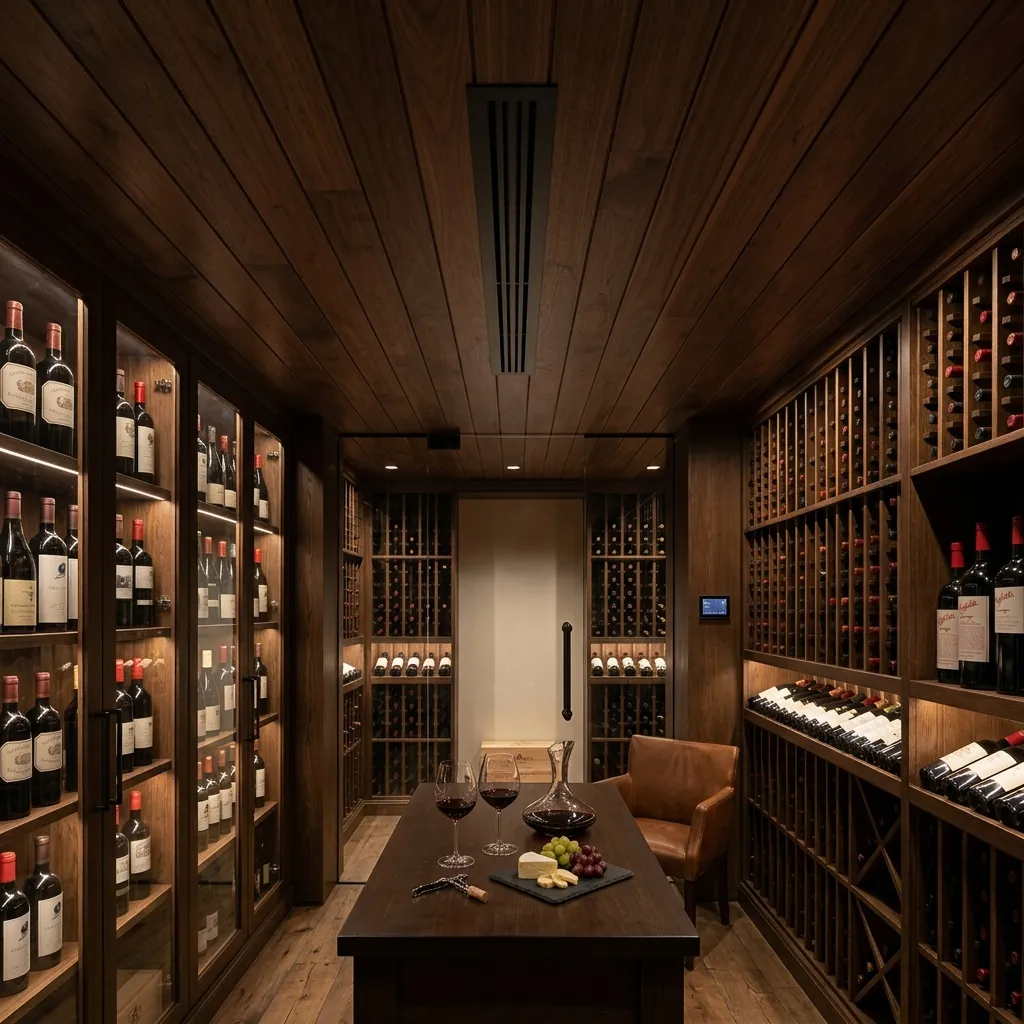
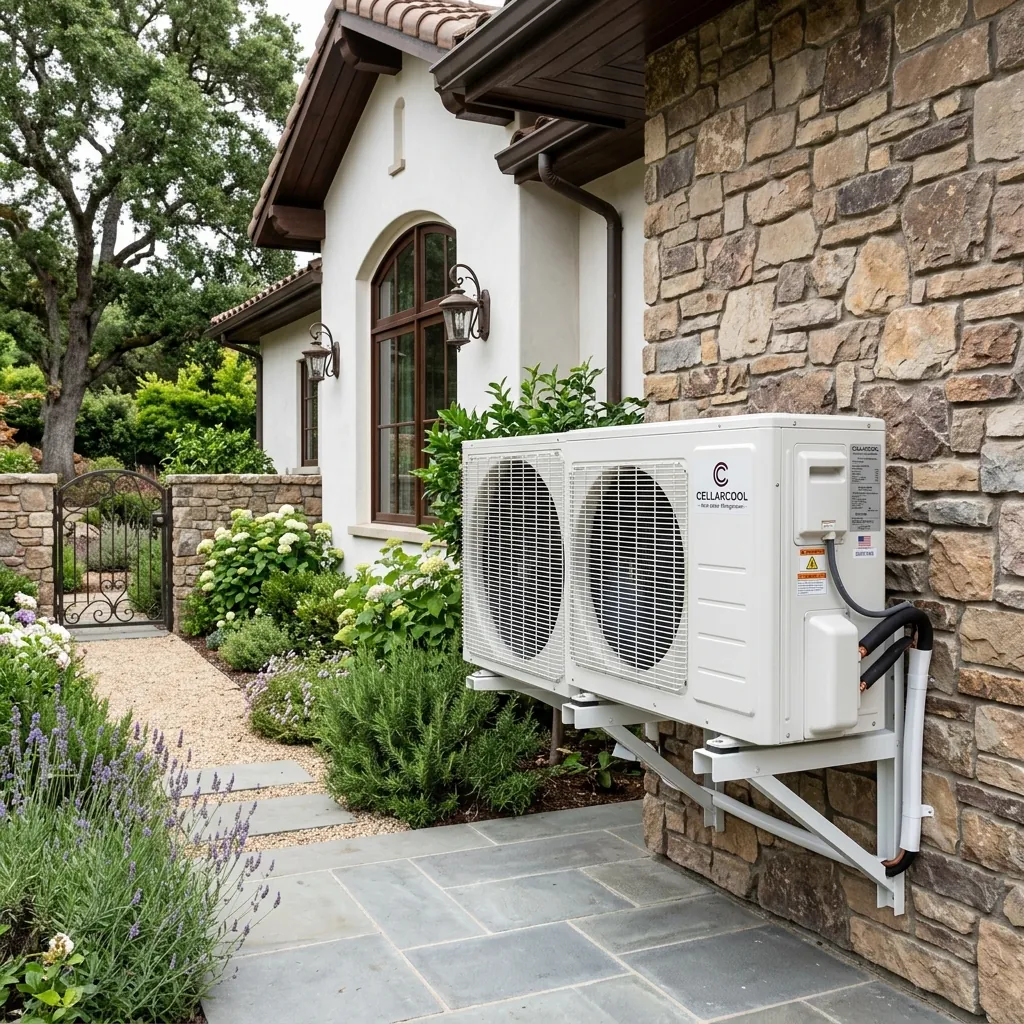
Learn how long wine cellar cooling systems typically last, what affects their lifespan, and how to protect your investment with the right maintenance, installation, and service strategy. Whether you own a compact home cellar or a large custom wine room, this guide helps you understand the real-world durability of modern cooling equipment.
Book a ConsultationWhen homeowners begin researching wine cellar cooling system lifespans, the first thing they usually want is a simple number: how many years will the unit last? The honest answer is that a properly selected and professionally installed wine cellar cooling system can last many years, but the actual lifespan depends on a wide range of factors including system type, cellar size, insulation quality, ambient temperature, humidity control, maintenance habits, and how hard the unit has to work every day. A well-built self-contained or split wine cooling system may operate reliably for a decade or more, while a poorly matched or neglected unit can fail far sooner. That is why understanding lifespan is about much more than the equipment itself; it is about the entire environment surrounding the cellar and the quality of the decisions made before and after installation. For wine collectors, restaurateurs, and homeowners who value their vintages, this knowledge is essential because the cooling system is the heart of the cellar and the guardian of the wine inside it.
Most wine cellar cooling systems are designed to deliver long-term performance, but average service life varies widely depending on usage and care. In many residential applications, a quality unit can last around 8 to 15 years, and in some cases longer when conditions are ideal and maintenance is consistent. Split systems often enjoy longer life because the compressor and condenser can be placed away from the cellar’s warm, humid environment, reducing strain on the equipment. Self-contained systems may have a shorter average lifespan if they are forced to operate in hot mechanical spaces or if the cellar is not properly insulated. The key takeaway is that lifespan is not a fixed promise; it is a range influenced by engineering, installation, and operating conditions. Owners who understand that range are better prepared to make smart decisions about sizing, ventilation, and preventive service, all of which can add years to the life of the system.
Even the best wine cooling system will struggle if it is installed incorrectly. Proper installation is one of the biggest predictors of long-term reliability because it determines whether the unit can move heat efficiently, maintain stable temperatures, and avoid unnecessary wear. A cooling system that is undersized, placed in an unventilated cavity, or connected to a poorly sealed cellar has to run longer and harder, which accelerates component fatigue and shortens lifespan. Professional installation also ensures that ducting, refrigerant lines, drain management, electrical connections, and airflow patterns are handled correctly from the start. In the wine cellar world, small mistakes can have outsized consequences, because temperature swings and humidity imbalances can be damaging both to the equipment and to the collection. Investing in expert installation is therefore not just a convenience; it is a direct investment in longevity, efficiency, and peace of mind.
Routine maintenance is one of the most effective ways to extend the life of a wine cellar cooling system. Like any precision climate-control equipment, these units benefit from regular inspection, cleaning, and performance checks. Dust buildup on coils, clogged filters, blocked vents, worn fans, loose electrical connections, and refrigerant issues can all force a system to work harder than necessary. Over time, that extra strain can lead to compressor failure, reduced cooling capacity, or complete system breakdown. Preventive care helps identify small issues before they become expensive services, and it keeps the system operating closer to its intended design parameters. For wine cellar owners, maintenance also supports temperature consistency, which is crucial for preserving wine quality. In other words, maintenance protects both the machine and the collection it serves.
The environment surrounding a wine cellar cooling system has a major impact on how long it lasts. A cellar with excellent insulation, a vapor barrier, well-sealed doors, and minimal heat gain will place far less stress on the cooling unit than a room with thermal leaks and high ambient temperatures. Likewise, a system installed in a climate-controlled utility area will generally experience less wear than one placed in a hot attic or cramped closet with poor ventilation. The amount of heat the system must remove, the frequency of door openings, the size of the wine collection, and the local climate all influence runtime and component stress. When the load is excessive, the system may cycle too often or run nearly continuously, which reduces lifespan. Understanding environmental load helps owners identify practical improvements that can dramatically improve durability without replacing the equipment.
The lifespan of a wine cellar cooling system is shaped by a combination of design quality, installation accuracy, operating environment, and ongoing care. At a basic level, every cooling unit has moving parts, electrical components, and refrigerant circuits that experience wear over time. However, the rate of that wear is heavily influenced by how hard the system has to work to maintain the desired cellar temperature and humidity. If the cellar is properly insulated and the unit is correctly sized, the cooling equipment can operate in a comfortable range, cycling on and off as intended. If the cellar leaks air, absorbs heat through poorly insulated walls, or is exposed to high ambient temperatures, the system may run continuously, and continuous operation increases stress on compressors, fans, and control boards. This is why two identical systems can have very different lifespans in different homes or commercial settings.
Another major factor is system type. Self-contained wine cellar cooling systems are often easier to install and are popular for smaller cellars, but they are more exposed to the cellar environment and the surrounding mechanical space. Split systems, by contrast, separate the evaporator and condenser components, which can reduce heat exposure and sometimes improve service life when installed correctly. Ducted systems and through-the-wall units each have their own advantages and limitations as well. The best choice depends on the cellar’s size, layout, and climate conditions. A system that is perfectly matched to the room will generally last longer than one that is forced to compensate for poor design choices. Matching the cooling capacity to the actual thermal load is one of the simplest ways to protect the equipment over time.
Humidity control also plays a surprisingly important role in lifespan. Wine cellars must maintain a balance that protects corks and labels while preventing condensation and mold. If humidity is too high, moisture can contribute to corrosion or strain certain components. If humidity is too low, the environment may become less stable overall, and the system may be working in a space that is not properly sealed. Both extremes can indicate that the cellar envelope is not performing as it should, which often means the cooling system is carrying too much of the burden. The equipment should support the cellar, not compensate for structural deficiencies. When the room itself is engineered correctly, the cooling system is able to do its job with less effort and less wear.
Usage patterns matter as well. A residential wine room that is opened occasionally and kept in a stable interior location will usually be easier on the cooling system than a busy hospitality cellar that experiences frequent door openings, lighting heat, and changing occupancy. Even the type of lighting installed in the cellar can influence runtime, since incandescent or poorly managed lighting adds heat that the unit must remove. The same is true for electronics, decorative features, and adjacent rooms that transfer heat into the cellar enclosure. In practical terms, lifespan is not just about the cooling system’s engineering; it is about the total thermal ecosystem surrounding the wine collection. Owners who understand this broader picture are better equipped to make decisions that extend the life of their investment.
Maintenance habits are equally important. A system that receives regular filter cleaning, coil inspection, fan checks, and professional servicing will typically outlast one that is ignored until it fails. Small issues such as dust accumulation, blocked airflow, or a loose electrical connection can cause disproportionate damage if left unresolved. Over time, a neglected unit may experience higher internal temperatures, reduced efficiency, and more frequent cycling, all of which shorten lifespan. Preventive maintenance is especially valuable because wine cellar cooling systems are often expected to operate quietly and continuously in the background. Since they are not always visible or top of mind, owners may overlook the gradual signs of wear until a major problem appears. Establishing a maintenance schedule is one of the most practical ways to avoid premature replacement.
Finally, the quality of the original product itself should not be underestimated. Not all cooling systems are built to the same standard, and component quality can vary significantly among manufacturers. High-quality compressors, durable fans, reliable controls, and corrosion-resistant materials usually translate into better long-term performance. But even the best equipment needs the right environment to thrive. The most durable wine cellar cooling system is the one that is selected carefully, installed professionally, maintained consistently, and allowed to operate within its intended design parameters. Lifespan is never determined by a single factor; it is the result of many small decisions that either reduce or increase long-term strain.
Essential Wine Cellar Engineering Resources:
Most wine cellar cooling systems do not fail without warning. In many cases, they begin to show subtle signs of decline long before they stop working altogether, and recognizing those signs early can help owners plan for service or replacement before the cellar environment is compromised. One of the most common indicators is inconsistent temperature control. If the cellar begins to drift above or below the set point more often than it used to, or if the system seems to run longer to achieve the same result, that may suggest declining efficiency. Temperature instability can be caused by many issues, including thermostat problems, refrigerant loss, airflow restrictions, or compressor wear, but in any case it should be treated seriously because wine is highly sensitive to environmental fluctuations.
Another warning sign is unusual noise. A properly functioning wine cooling system should operate with a relatively predictable sound profile, especially in residential settings where quiet operation is important. Grinding, rattling, buzzing, clicking, or humming noises can indicate mechanical wear, loose parts, fan failure, or compressor stress. While some sounds may start small, they often worsen over time if the root cause is not addressed. A system that becomes noticeably louder may be telling you that internal components are aging or that airflow is restricted. Because many cellar owners become accustomed to the baseline sound of their equipment, gradual noise changes can be easy to miss unless you pay attention. Monitoring sound is a simple but effective way to catch problems early.
Short cycling is another red flag. This occurs when the cooling system turns on and off too frequently without completing a normal operating cycle. Short cycling can be caused by thermostat issues, oversizing, electrical faults, or refrigerant irregularities, and it places unnecessary stress on the compressor and controls. Over time, the repeated start-stop pattern can accelerate wear and shorten lifespan dramatically. On the other hand, a unit that runs nearly nonstop may be undersized, struggling against heat gain, or nearing the end of its usable life. Both extremes are problematic. The ideal system should cycle in a balanced way that maintains stable conditions without excessive runtime or constant restarting. If the pattern changes suddenly, it is wise to have the system inspected promptly.
Owners should also watch for moisture-related symptoms such as condensation, dripping, rust, or mold near the unit. These may indicate drainage issues, humidity imbalance, or internal component problems. Excess moisture can damage equipment over time and also compromise the cellar itself. In a wine environment, moisture is especially concerning because it can affect labels, racking, walls, and finishes while also signaling that the cooling system is not managing latent load properly. A healthy system should help maintain the cellar’s intended balance, not create new complications. If the unit is showing signs of moisture stress, it may be nearing a point where service becomes less economical than replacement.
Finally, declining performance after repeated service calls can indicate that the cooling system is simply aging out. As with any mechanical equipment, there comes a stage when services become more frequent and less cost-effective. When compressors weaken, fans wear out, refrigerant issues recur, or control boards fail repeatedly, the system may be telling you that it has reached the end of its practical lifespan. At that point, continuing to patch the unit may be less reliable than investing in a new system that offers better efficiency, quieter operation, and improved climate stability. For wine collectors, timely replacement is often less about avoiding inconvenience and more about protecting the value and condition of the collection itself.
Understanding these warning signs allows cellar owners to make proactive decisions rather than reactive ones. A cooling system that is nearing the end of its life may still be running, but that does not mean it is performing adequately. The goal is not to wait for total failure; the goal is to preserve consistent cellar conditions and avoid emergency situations that could jeopardize valuable wine. By paying attention to temperature consistency, sound, cycling behavior, moisture, and service frequency, owners can recognize when the system is aging and act before the cellar is put at risk.
The best way to maximize the lifespan of a wine cellar cooling system is to reduce the workload placed on it every day. That begins with the cellar itself. A properly insulated wine room with sealed walls, ceiling, floor, door, and vapor barrier creates a stable environment that allows the cooling unit to function efficiently. If the room leaks conditioned air or absorbs excessive external heat, the system must compensate continuously, which accelerates wear. In many cases, improving the cellar envelope can do as much to extend equipment life as replacing the unit itself. For that reason, lifespan is not only a mechanical issue; it is also a building-performance issue. The more stable the room, the less stressed the system becomes, and the longer it can serve the collection reliably.
Routine maintenance is another essential longevity strategy. Simple tasks such as keeping filters clean, ensuring vents are unobstructed, and checking for dust buildup on coils can dramatically improve efficiency. Professional inspections are equally important because trained technicians can identify refrigerant problems, electrical wear, drainage issues, and fan deterioration before they develop into major failures. A preventive service schedule helps preserve both performance and lifespan by keeping the system within its intended operating range. In practice, this means the cooling equipment does not have to fight avoidable resistance or hidden defects. For owners who treat maintenance as part of the value of the cellar, the payoff is fewer surprises and a longer-lasting climate-control investment.
Placement and ventilation also matter. A self-contained unit installed in a poorly ventilated space may recirculate hot air, forcing the compressor to work harder and reducing service life. Split systems and ducted systems can alleviate some of these concerns, but they still require careful planning to ensure that heat is exhausted effectively and airflow remains balanced. If the condenser side of the system cannot release heat efficiently, the entire unit will struggle. This is why professional design and installation are so important. The right system in the wrong location may underperform for years, while the right system in the right location can provide stable service for a very long time. Longevity begins with thermal management, and thermal management begins with proper layout.
It is also wise to manage the cellar’s internal heat sources. Limit unnecessary lighting heat, use efficient LED fixtures, and avoid frequent long door openings when possible. Be mindful of adjacent rooms, appliances, and mechanical spaces that may introduce heat into the cellar. Even small sources of heat can add up, especially in compact wine rooms where the cooling load is already finely balanced. The less extra heat the system has to remove, the less frequently it needs to cycle and the less wear it experiences over time. In that sense, protecting the lifespan of a wine cellar cooling system is often about discipline and design rather than emergency intervention. Small operational choices made every day can have a measurable effect on long-term durability.
Monitoring performance over time is another powerful tool. If you know how long the system typically runs, how often it cycles, and what the cellar temperature and humidity usually look like, you can spot changes early. Many modern systems offer digital controls or monitoring features that make this easier, but even a simple log can be helpful. When you notice shifts in runtime, noise, or temperature consistency, you can investigate before the issue becomes severe. This kind of awareness is especially valuable for collectors with rare or aging wines, because stable storage conditions are just as important as the equipment that creates them. A cooling system that is carefully observed is less likely to surprise you with a sudden failure.
Finally, choosing the right partner for installation, maintenance, and service can make a significant difference in lifespan. Wine cellar cooling systems are specialized equipment, and general HVAC approaches are not always sufficient for the unique demands of wine storage. Technicians who understand cellar load calculations, humidity balance, duct design, and equipment placement are better equipped to help the system last. They can recommend solutions that reduce strain, improve efficiency, and prevent recurring problems. For homeowners and commercial clients alike, that expertise is part of the long-term value of the system. A wine cellar is a preservation environment, and the cooling equipment inside it should be treated as a precision tool. When it is selected, installed, and maintained with care, it can provide many years of dependable service and help safeguard every bottle in the collection.
A quality wine cellar cooling system often lasts anywhere from 8 to 15 years, and sometimes longer, depending on the equipment type, installation quality, cellar insulation, ambient conditions, and maintenance routine. Systems that are properly sized, professionally installed, and regularly serviced tend to reach the higher end of that range. Split systems may last longer in some applications because the major heat-producing components are located outside the cellar environment, while self-contained units may experience more stress if they are installed in hot or poorly ventilated spaces. The most important point is that lifespan is not determined by age alone; it is determined by how hard the system has to work and how well it is cared for over time.
The biggest lifespan killers are usually poor installation, incorrect sizing, inadequate insulation, and lack of maintenance. If the cooling system is too small for the cellar load, it will run excessively and wear out faster. If the cellar has air leaks, insufficient vapor sealing, or poor thermal insulation, the unit has to compensate for constant heat gain. Dirty coils, clogged filters, blocked airflow, and neglected refrigerant issues also increase strain and can lead to premature failure. Environmental factors such as high ambient temperatures, poor ventilation, and frequent door openings add even more stress. In short, anything that forces the system to work harder than it was designed to work will reduce its useful life.
Replacement becomes a better option when the system is nearing the end of its expected lifespan, services are becoming frequent, or the cost of fixing the unit starts approaching the value of a newer, more efficient model. If you are experiencing repeated temperature problems, unusual noise, short cycling, refrigerant issues, or compressor failure, it may be time to consider replacement rather than another temporary fix. This is especially true if the cellar has also changed over time, such as through an expanded collection, a renovated room, or updated insulation needs. A new system can improve reliability, reduce operating costs, and provide better protection for your wine collection. In many cases, proactive replacement is the smarter choice because it prevents emergency downtime and helps ensure stable cellar conditions without interruption.
Whether you need installation, service, or maintenance — our team is ready to help. Fill out the form below and we'll get back to you within 24 hours.
By submitting this form, you agree to our Privacy Policy. CSLB Lic#1055057
VA Wine Cooling engineers and maintains precision commercial and residential cooling systems across Southern California.