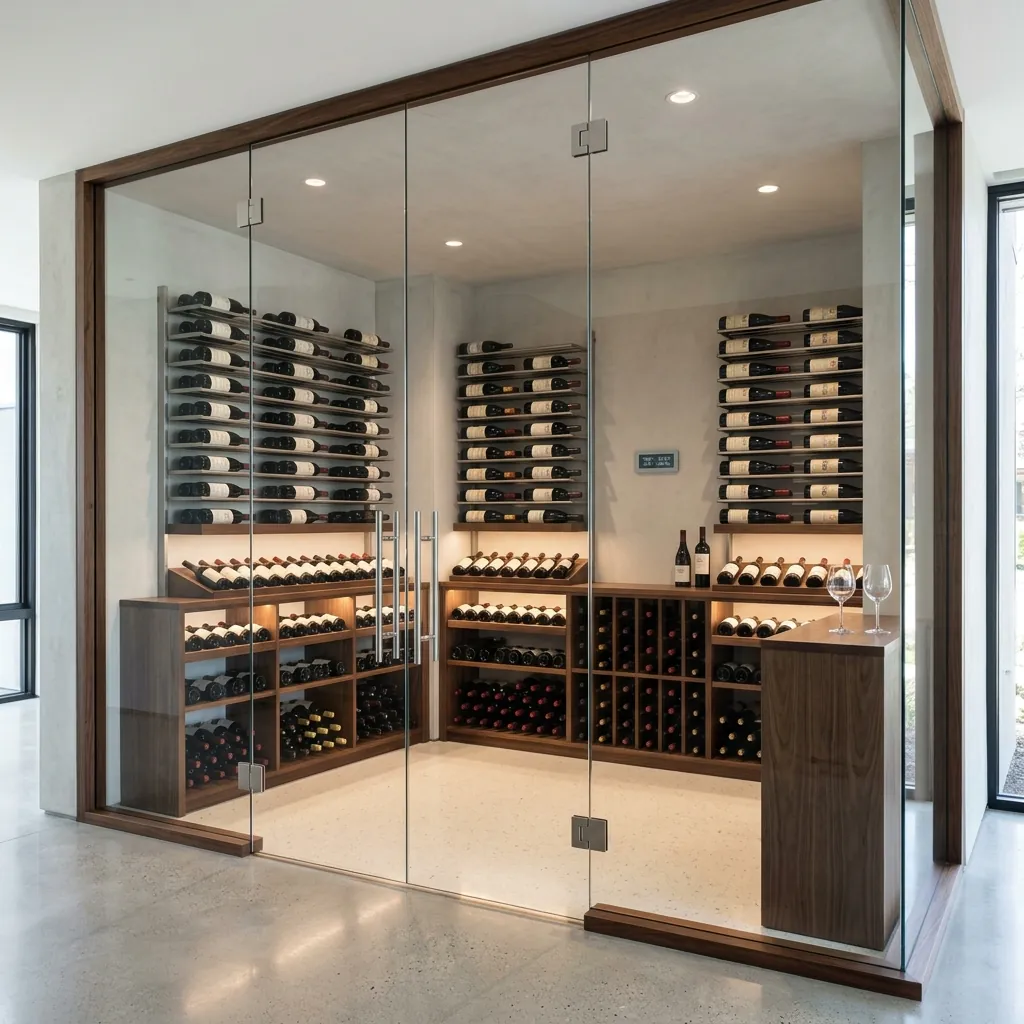
Protect your collection with the same precision used in professional wine cellars. This ultimate handbook explains how the right door seals and glazing preserve temperature, humidity, and long-term wine quality.
Book a ConsultationA wine cellar is only as reliable as its weakest boundary, and in many homes that boundary is the door. While cooling equipment often gets the most attention, the door assembly is what determines how much conditioned air stays inside, how much outside heat and moisture gets in, and how hard your system must work every hour of the day. For collectors who care about consistency, the performance of wine cellar door seals and glazing is not a minor detail; it is a foundational part of cellar design. A well-built door creates a stable environment that supports long-term aging, protects labels and corks, and reduces unnecessary strain on the cooling system. When the seals are tight and the glazing is properly specified, the cellar becomes easier to maintain, quieter to operate, and more efficient over time.
High-performance door seals help prevent unwanted air exchange, which is essential for preserving stable cellar temperatures and humidity levels. A properly sealed wine cellar door minimizes infiltration, reduces condensation risk, and allows the cooling unit to operate with greater efficiency and less cycling.
The right glazing package helps reduce heat transfer through the door while still providing the visual appeal many homeowners want. Advanced insulated glass options can improve energy performance, support temperature stability, and help protect wine from environmental stress.
Wine storage depends on balanced humidity, and door performance plays a major role in maintaining it. Quality seals and glazing help prevent dry air leakage and moisture swings that can damage corks, labels, and long-term cellar consistency.
When a cellar door is designed correctly, the cooling system does not have to compensate for constant leaks or thermal gain. That means lower operating stress, improved efficiency, quieter performance, and better long-term reliability for the entire wine cellar environment.
Wine cellar door seals are one of the most important components in the entire enclosure, yet they are often overlooked because they are small, simple, and easy to underestimate. In reality, seals perform a critical job: they close the invisible gaps around the door slab, frame, threshold, and weatherstripping so the cellar can function as a controlled environment rather than a room that merely looks like one. A premium wine cellar door seal system helps maintain the stable temperature and humidity that wine requires, and it does so every minute of every day. Even a tiny gap can allow warm air to enter, cool air to escape, and moisture levels to drift outside the narrow range that protects cork integrity and prevents premature aging. For homeowners investing in a dedicated cellar, the seal is not an accessory; it is part of the preservation system.
The effectiveness of a seal depends on more than the material itself. It depends on how the door is built, how the frame is installed, how the threshold meets the floor, and how consistently the door closes under real-world conditions. A seal that looks fine on day one may fail if the door warps, the hinges settle, or the installation leaves uneven pressure points. This is why professional-grade wine cellar doors typically use multiple layers of defense, including perimeter weatherstripping, compression seals, adjustable thresholds, and carefully fitted jambs. Each layer addresses a different pathway for leakage, and together they create a more dependable barrier against the outside environment. In a properly designed cellar, the seal should feel snug without being difficult to operate, and it should maintain its performance through seasonal changes in temperature and humidity.
Material choice also matters significantly. Traditional foam seals may be adequate in some light-duty applications, but serious wine storage typically benefits from more durable, resilient materials that can withstand repeated opening and closing without losing their shape. Magnetic seals, compression gaskets, and high-density weatherstripping are often favored because they maintain contact pressure more consistently. In climates with pronounced humidity swings, the seal must resist degradation from moisture, UV exposure near glass elements, and long-term compression set. The goal is not simply to close a door; it is to create a stable microclimate where the cooling system can perform predictably and the cellar remains insulated from the rest of the home. When clients ask why their cooling equipment seems to run constantly, the answer is often not the unit itself but the door seal that is allowing thermal drift.
Another important consideration is the relationship between seals and humidity control. Wine corks need balanced moisture to remain supple and effective, and if a cellar becomes too dry, corks can shrink, leading to oxidation and spoilage. If the cellar becomes too humid, labels can mildew, mold can develop, and the overall storage environment can feel damp or unstable. Door seals help reduce both extremes by limiting uncontrolled exchange with the surrounding space. This is especially important in homes where the cellar is located near an exterior wall, a garage, a laundry room, or an area with frequent temperature fluctuations. In those settings, the seal acts as a buffer that preserves the cellar’s carefully engineered conditions. For collectors who store bottles for years or decades, that buffer can make a meaningful difference in wine quality and in the long-term condition of the cellar itself.
Maintenance is another key part of seal performance. Even the best wine cellar door seal will eventually need inspection, cleaning, adjustment, or replacement. Dust, debris, household cleaners, and normal wear can reduce the seal’s ability to compress properly. Homeowners should periodically look for visible cracks, flattening, gaps, sticky residue, or uneven contact along the edges of the door. A simple test using a flashlight or paper strip can reveal whether light or air is escaping around the perimeter. If the door requires excessive force to close, the seals may be too tight or misaligned; if it closes too easily, the compression may be insufficient. Regular maintenance keeps the seal functioning as intended and helps protect the larger investment in cooling equipment, racking, and wine inventory. The more attention given to the perimeter, the less energy the cellar wastes trying to compensate for leaks.
Ultimately, wine cellar door seals are about control, and control is the foundation of proper wine storage. Every bottle in the cellar depends on a stable environment, and the seal is one of the most practical ways to achieve that stability. Whether the cellar is a compact under-stair enclosure or a large custom room, the same principle applies: if the door leaks, the cellar works harder, costs more to operate, and offers less protection to the wine inside. By choosing high-quality seals and ensuring proper installation, homeowners can dramatically improve performance without changing the entire cooling system. It is one of the most cost-effective upgrades in wine cellar design, and it pays dividends in efficiency, consistency, and peace of mind.
Essential Wine Cellar Engineering Resources:
Glazing is where design and performance meet, and in a wine cellar door it serves both aesthetic and functional purposes. Many homeowners want the elegance of glass because it allows the collection to be displayed, admired, and integrated into the home’s architecture. But glass can also be a major source of heat gain if it is not engineered correctly. That is why wine cellar glazing must be selected with the same care as the cooling system itself. Standard residential glass is usually not appropriate for a cellar door because it may transfer too much heat, allow UV exposure, or fail to provide the insulation necessary for long-term wine preservation. Proper wine cellar glazing is designed to reduce thermal transfer, protect the contents from light damage, and help the door work as part of a sealed, climate-controlled envelope.
The most important performance factor in glazing is insulation value. Single-pane glass typically offers far less resistance to heat transfer than insulated glass units, and in a cellar environment that difference can have a dramatic effect on energy use and temperature stability. Double-pane or specially insulated glazing helps slow the movement of heat from the warmer side of the door to the cooler cellar interior. In some applications, low-emissivity coatings are used to reflect radiant heat and improve overall performance. These coatings are especially helpful in homes where the cellar is visible from a bright hallway, kitchen, or living area with substantial ambient light. The goal is to preserve the beauty of the glass without sacrificing the controlled environment that wine demands. When glazing is properly specified, the cellar can remain a visual feature and a high-performance storage space at the same time.
Another critical issue is ultraviolet protection. Wine is sensitive to light exposure, particularly over long periods, and UV rays can degrade both the wine itself and the labels that help identify and organize the collection. This is why glazing for wine cellar doors should be evaluated not just for clarity but for its ability to filter harmful light. Many premium glazing options incorporate UV-resistant properties that reduce the transmission of damaging rays while still allowing a refined view into the cellar. For collectors who use glass doors to showcase prized bottles, this protection is essential. It allows the cellar to function as a display element without exposing the collection to unnecessary risk. In this way, glazing is not merely decorative; it is a preservation tool that supports both presentation and storage integrity.
Frame construction and glazing installation are just as important as the glass itself. A high-quality insulated glass unit can still underperform if the frame is poorly insulated, the seals around the glass fail, or condensation forms at the edges due to thermal bridging. Professional wine cellar door systems address these issues by integrating the glazing into a thermally broken frame that minimizes heat transfer and moisture accumulation. This is particularly important in humid regions or in homes where the cellar door sits near exterior conditions. Without the right framing and sealing details, condensation can appear on the glass, compromising both appearance and performance. Worse, persistent moisture can affect adjacent materials and create maintenance issues. A properly engineered glazing system avoids these problems by treating the entire assembly as one integrated thermal barrier.
There is also the matter of door weight and operation. Glass adds mass, and the more elaborate the glazing package, the more carefully the hinges, frame, and closing hardware must be selected. A beautiful glass door that sags over time or fails to close tightly is not a successful wine cellar solution. The best systems balance visual transparency with structural stability, ensuring the door remains aligned and the seals continue to compress evenly. This is why professional design and installation are so important. They account for the weight of the glass, the performance of the seals, the movement of the home, and the long-term effects of daily use. When all of these factors are considered together, glazing becomes a sophisticated component of cellar engineering rather than a simple design choice.
For many wine collectors, the value of glazing lies in its ability to elevate the cellar experience while still protecting the investment inside. A glass door can transform a storage room into a focal point, making the collection visible and enhancing the overall atmosphere of the home. But that visual benefit should never come at the expense of wine safety. The best wine cellar glazing provides a clear view, a strong barrier against heat and light, and a durable interface with the door seals and frame. When properly chosen, it supports the cooling system, reduces energy waste, and helps maintain the exact conditions that fine wine requires. In other words, quality glazing is not a luxury add-on; it is a performance feature that happens to look exceptional.
As with seals, maintenance matters. Glass should be inspected for fogging, edge failure, damaged coatings, or signs that the insulating unit has lost integrity. Cleaning should be performed with appropriate products that do not harm coatings or sealants. Homeowners should also pay attention to condensation patterns, since recurring moisture on or around the glazing may indicate a thermal or sealing issue that needs professional review. By monitoring the glass as part of the cellar’s overall climate system, owners can catch problems early and preserve both the appearance and the function of the door. The result is a cellar that remains elegant, efficient, and dependable for the long term.
The true performance of a wine cellar door comes from the relationship between its seals and its glazing, not from either component alone. A door with excellent seals but weak glass may still allow too much heat gain, forcing the cooling system to work harder than necessary. Likewise, a door with premium glazing but poor perimeter sealing can lose conditioned air faster than the glass can compensate for. The ideal cellar door is a complete system in which every part supports the others: the frame stabilizes the structure, the glazing limits thermal and light transfer, the seals block leakage, and the hardware ensures the assembly closes consistently every time. When these elements are designed together, the cellar becomes more efficient, more reliable, and easier to maintain. This systems-based approach is what separates a decorative wine room from a true storage environment.
Temperature stability is the most obvious benefit of this integration. Wine prefers conditions that remain steady rather than fluctuating, and even modest swings can stress the contents over time. If the door is the weak point, the cooling unit must repeatedly correct for incoming heat, creating cycles that can wear on the system and introduce subtle fluctuations inside the cellar. Good seals reduce that load by limiting infiltration, while quality glazing slows heat transfer through the door itself. The result is a more even environment with fewer peaks and valleys. This stability matters whether the cellar holds a few dozen bottles or several thousand, because every bottle benefits from the same fundamental principle: slow, consistent aging under controlled conditions.
Humidity management is equally dependent on the combined performance of the door assembly. In a properly sealed cellar, moisture levels can remain within the range that supports cork health without creating mold or damaging labels. But if the door leaks, outside air can alter the humidity balance quickly, especially in climates with seasonal extremes. In dry weather, the cellar may lose moisture and become too arid. In humid weather, the cellar may absorb too much moisture and encourage condensation. Glazing and seals work together to reduce these risks by limiting exchange with the surrounding environment. This is particularly important in residential settings where the cellar may be attached to living areas with very different environmental conditions. A strong door assembly keeps the cellar’s internal climate from being shaped by the rest of the house.
Energy efficiency is another major advantage of a well-designed door system. Cooling equipment is sized to maintain a specific environment, and when the door leaks or the glass transmits excessive heat, the system must run longer and more frequently. That increases operating costs and can shorten equipment life. By contrast, a door with excellent glazing and reliable seals reduces the load on the cooling unit, allowing it to operate more efficiently and with less noise. Over time, this can have a meaningful impact on both utility expenses and maintenance needs. For homeowners who view their cellar as a long-term investment, that efficiency is valuable not only because it saves money, but because it supports the durability of the entire installation. A well-performing door helps the cooling system do its job without unnecessary strain.
There is also a design advantage to getting this combination right. Wine cellars are often visible parts of the home, and the door can serve as a dramatic architectural feature. Glass allows visibility, while seals and framing preserve performance behind the scenes. When the assembly is thoughtfully engineered, the homeowner does not have to choose between beauty and function. The cellar can be elegant, inviting, and integrated into the home’s style while still operating at professional standards. This is one of the reasons that custom wine cellar door solutions are so popular: they allow precise control over the balance of aesthetics, insulation, and usability. Whether the design calls for a single glass door, a multi-panel entry, or a more traditional solid door with limited glazing, the principle remains the same. Performance must be built into the design from the start.
For anyone planning a new cellar or upgrading an existing one, the best approach is to treat the door as a critical system component rather than a finishing touch. Evaluate the quality of the seals, the insulation value of the glazing, the strength of the frame, and the compatibility of the hardware with the door’s weight and usage. Consider the climate where the home is located, the placement of the cellar, and the level of visibility desired. Then choose materials and construction methods that match the demands of the environment. A successful wine cellar door does not simply open and close; it preserves the conditions that allow fine wine to age gracefully. When seals and glazing work in harmony, the entire cellar becomes more dependable, more efficient, and better suited to protecting a collection for years to come.
That is the ultimate lesson of wine cellar door design: the smallest details often have the greatest impact. The door is the interface between the controlled interior and the uncontrolled exterior, and its seals and glazing determine how well that boundary performs. If the goal is to safeguard a collection, reduce energy waste, and create a cellar that feels as refined as the wines it holds, then investing in the right door system is essential. At VA Wine Cooling, that means thinking beyond appearance and focusing on the engineering that keeps the environment truly stable. For serious collectors, that is where lasting value begins.
Common signs of failing wine cellar door seals include visible gaps around the perimeter, drafts, condensation near the frame, unusual cooling system runtime, and difficulty maintaining stable temperature or humidity. You may also notice that the door no longer closes with the same snug compression it once had. A simple inspection can reveal flattened weatherstripping, cracked gaskets, or areas where the seal has pulled away from the frame. If you suspect a problem, it is best to have the door evaluated promptly, because even small leaks can create major performance issues over time.
Yes, glass can be safe and highly effective on a wine cellar door when it is specifically designed for cellar use. The key is to use insulated, thermally efficient, UV-resistant glazing that reduces heat transfer and protects the wine from light exposure. The frame, seals, and hardware must also be engineered to support the added weight and maintain a tight closure. Standard residential glass is usually not suitable, but properly specified wine cellar glazing can offer both visual appeal and dependable performance.
The biggest mistake is treating the door as a cosmetic feature instead of a performance component. Many homeowners focus on style, glass visibility, or decorative finishes while overlooking insulation, seal quality, threshold alignment, and proper installation. A beautiful door that leaks air or allows too much heat transfer can undermine the entire cellar and force the cooling system to work harder than necessary. The best results come from choosing a door that balances aesthetics with airtight construction, thermal efficiency, and long-term durability.
Whether you need installation, service, or maintenance — our team is ready to help. Fill out the form below and we'll get back to you within 24 hours.
By submitting this form, you agree to our Privacy Policy. CSLB Lic#1055057
VA Wine Cooling engineers and maintains precision commercial and residential cooling systems across Southern California.