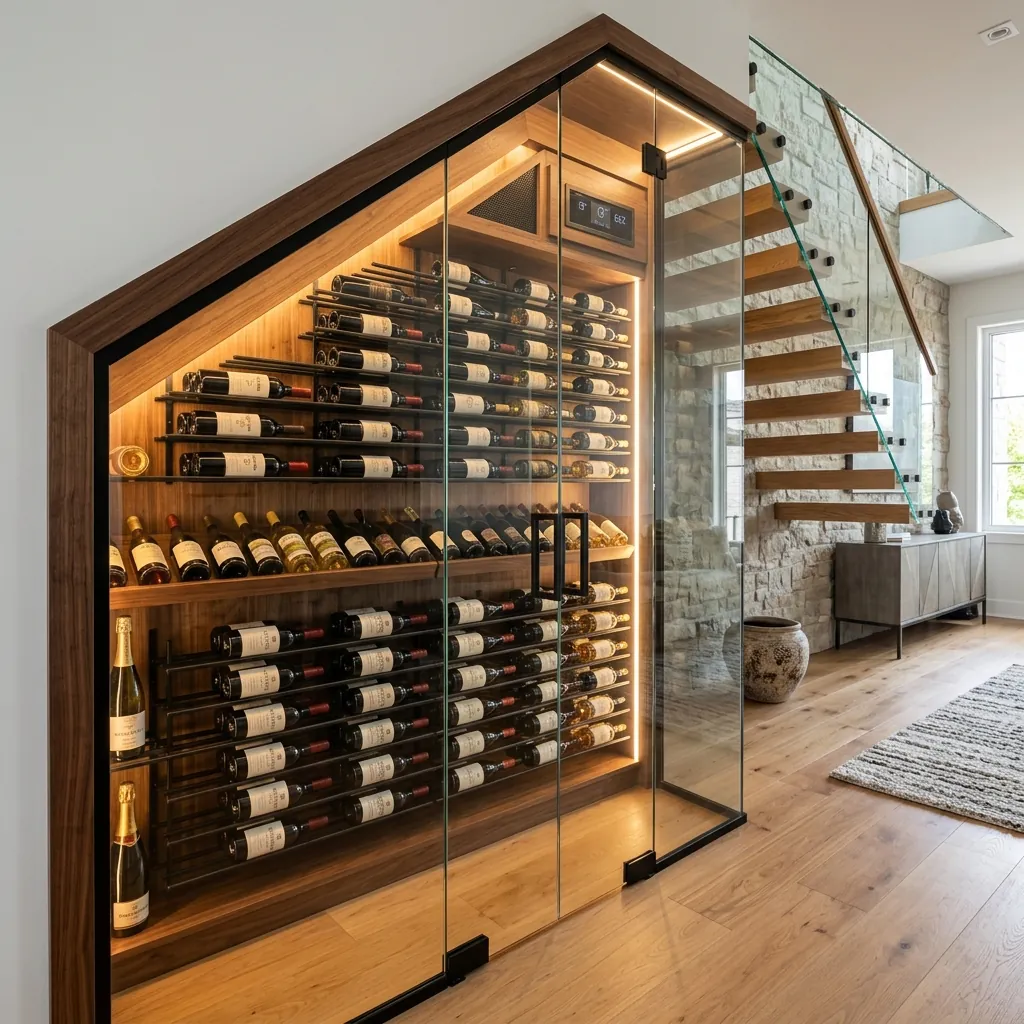
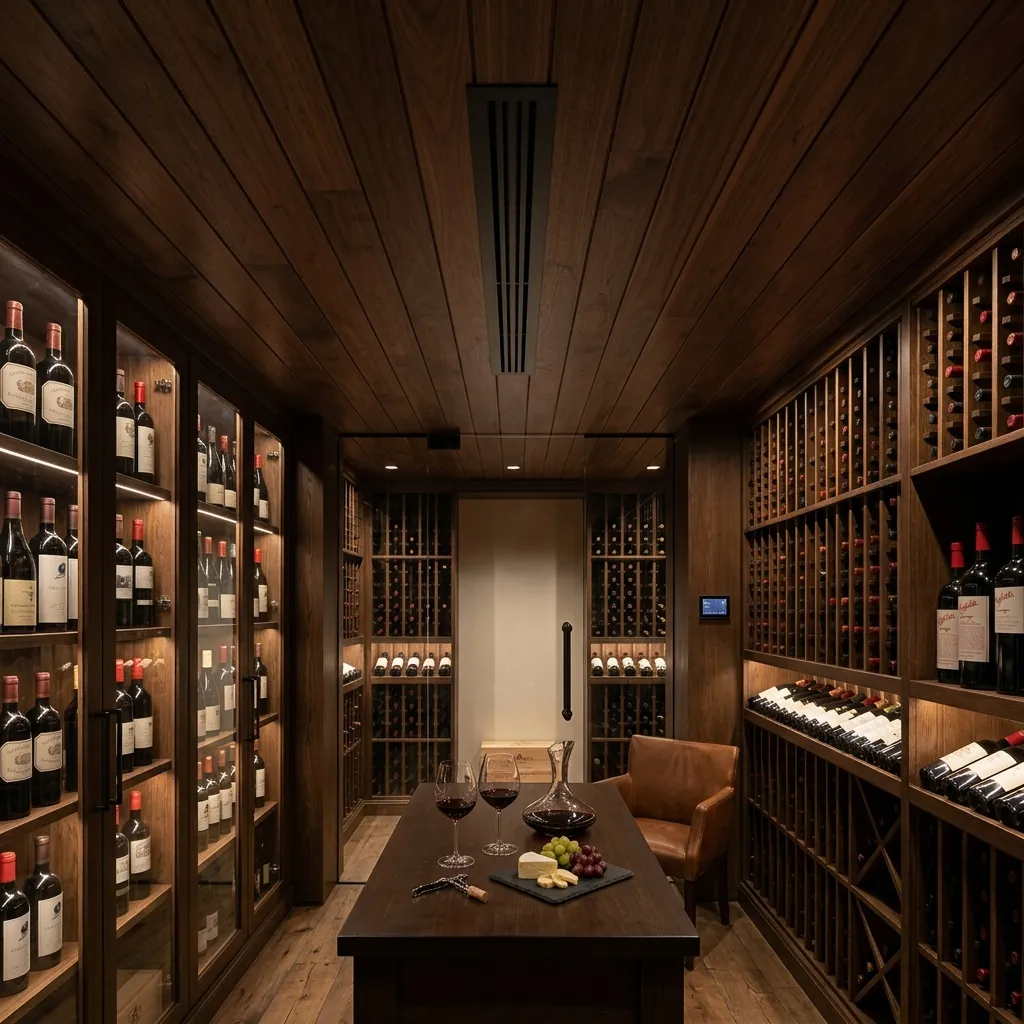
Protect high-value vintages with precision climate control built for the unique demands of auction houses, where presentation, provenance, and preservation must work together flawlessly. VA Wine Cooling helps safeguard every bottle from temperature swings, humidity damage, and environmental stress so your collection arrives in exceptional condition.
Book a ConsultationAuction houses operate at a level of scrutiny that goes far beyond ordinary wine storage. Every bottle is part of a story, a valuation, and a buyer’s expectation, which means the environment surrounding that wine must be controlled with exceptional care from the moment it enters the facility until it is cataloged, displayed, and transferred. A properly designed wine cellar climate control system does more than keep a room cold; it stabilizes temperature, manages humidity, reduces vibration, limits light exposure, and supports the long-term integrity of rare and investment-grade bottles. In an auction setting, even a minor fluctuation can affect cork condition, label preservation, ullage perception, and ultimately buyer confidence. That is why specialized wine cellar cooling for auction houses is not a luxury feature but an operational necessity. VA Wine Cooling understands the stakes involved when a single lot may represent decades of aging, significant financial value, and the reputation of the house presenting it. The right climate control strategy helps ensure that every bottle is stored and displayed in a way that honors its provenance, protects its market value, and reinforces trust among collectors, consignors, and bidders alike.
Auction-grade wine storage demands steady, narrow temperature control to prevent expansion and contraction that can compromise cork seals and accelerate aging. VA Wine Cooling systems are engineered to maintain consistent cellar conditions with minimal fluctuation, helping preserve wine quality and protect valuable inventory throughout storage and staging.
Proper humidity is essential in auction environments where labels, capsules, and corks must remain intact and visually pristine. Our climate solutions help maintain balanced humidity levels that reduce cork drying, prevent mold risk, and protect the appearance and authenticity cues buyers rely on when evaluating premium lots.
Wine destined for auction should remain undisturbed, and that means climate equipment must operate quietly and with minimal vibration. VA Wine Cooling systems are designed to support stable storage conditions without introducing movement or disruptive noise that could affect delicate vintages or interfere with client-facing spaces.
Auction houses often need climate control for back-of-house cellars, cataloging rooms, tasting areas, and showcase displays. We design tailored systems that fit your floor plan, inventory volume, and architectural constraints, ensuring every zone receives the right level of protection and performance.
In the auction world, wine is not simply a beverage; it is an asset class, a collectible object, and often a piece of living history. Because of that, climate control has a direct relationship to value. A bottle that has been stored under stable conditions tends to inspire greater confidence, attract stronger bidding, and command a more favorable final result than a bottle with questionable storage history. For auction houses, this means the cellar environment becomes part of the sales strategy. The temperature, humidity, airflow, and overall stability of the storage area all influence how a wine is perceived, and perception matters enormously when buyers are making decisions based on provenance and condition. A well-maintained wine cellar climate control system helps protect the physical integrity of the bottles while also supporting the narrative that the auction house takes preservation seriously.
The most important factor is temperature consistency. Wine is highly sensitive to heat spikes and rapid changes, and even short periods of instability can cause premature aging, oxidation risk, and pressure changes inside the bottle. In an auction house, where inventory may arrive from private collections, estates, and brokers with varying storage histories, the climate system must be capable of quickly and efficiently creating a stable baseline. This is especially important when valuable bottles are moved from transport crates into a cellar, appraisal room, or display cabinet. Without precise control, the transition can expose wine to harmful conditions that undermine its condition before it ever reaches the auction block. VA Wine Cooling designs systems that support these transitions smoothly, helping auction teams preserve the quality and marketability of each lot.
Humidity is equally critical because it affects both the cork and the appearance of the bottle. Low humidity can dry corks and increase the risk of air infiltration, while excessive humidity can create mold, damage labels, and complicate authentication. In the auction setting, labels are more than cosmetic; they are part of the bottle’s identity and can influence provenance assessments and visual appeal. A stained label or compromised capsule may raise questions for bidders, even when the wine itself remains sound. That is why proper wine cellar climate control for auction houses must include humidity management as a core design priority. By maintaining balanced conditions, auction houses can protect the presentation value of their inventory while also preserving the physical seal that keeps wine aging properly.
Another often overlooked factor is vibration. Auction houses may have foot traffic, rolling carts, warehouse movement, and nearby mechanical systems that create subtle but continuous disturbance. Over time, vibration can disrupt sediment, affect delicate older wines, and contribute to a less stable storage environment. For collectors and bidders, the idea that a bottle has been handled gently and stored in a calm environment adds reassurance. VA Wine Cooling solutions are selected and configured to minimize vibration and operate quietly, ensuring that climate control supports the wine rather than becoming a source of stress for it. This matters not only in the cellar but also in tasting rooms, preview areas, and display spaces where clients expect a refined, professional atmosphere.
For auction houses, climate control is also a brand issue. Buyers place trust in the house that presents the wine, and that trust is strengthened when the facility demonstrates a commitment to best practices. A clean, stable, professionally cooled cellar signals expertise and care. It tells consignors that their collections will be protected and tells bidders that the lots have been housed in an environment worthy of their value. In this way, wine cellar climate control becomes part of the auction house’s reputation management. A properly engineered system is not just a building utility; it is an operational asset that supports confidence, reduces risk, and helps maintain the credibility of every sale.
Ultimately, the role of climate control in protecting auction wine value is to create certainty in an environment where uncertainty can be costly. From temperature and humidity to vibration and airflow, every component must work together to preserve condition and reinforce trust. VA Wine Cooling specializes in solutions that help auction houses achieve that level of certainty, ensuring the wine is protected before, during, and after the cataloging process. When the environment is right, the wine can speak for itself, and that is exactly what auction buyers want to see.
Essential Wine Cellar Engineering Resources:
Designing a wine cellar for an auction house requires a very different mindset than designing a cellar for a private collector or restaurant. In an auction environment, the space must perform as a secure storage area, a staging area, and often a visual showcase for high-value inventory. That means the climate system must be integrated into a broader operational design that considers inventory flow, staff access, client visibility, and architectural constraints. The goal is not simply to cool the room but to create a controlled environment that supports the entire life cycle of a lot from intake to sale. VA Wine Cooling approaches these projects by evaluating the specific needs of the facility, the type of wine being stored, the size of the inventory, and the way the space is used on a daily basis. This ensures the final system is not only technically sound but also practical for the auction house’s workflow.
One of the key design considerations is zoning. Auction houses often have multiple wine-related spaces, including receiving areas, secure storage, appraisal rooms, display galleries, and sometimes private client tasting areas. Each of these spaces may require different temperature or humidity targets depending on usage and exposure. A one-size-fits-all approach can create inefficiencies and unnecessary risk. For example, a display room with frequent foot traffic and lighting may need stronger compensation than a back storage vault, while a tasting area may need comfort-oriented climate control that still protects the wine. By designing a system with zoning in mind, VA Wine Cooling helps auction houses maintain ideal conditions across the facility without overcooling, overworking equipment, or compromising presentation.
Another major factor is airflow. Proper airflow is essential for preventing hot spots, stagnant zones, and uneven humidity distribution. In a cellar full of valuable bottles, even small pockets of instability can create long-term problems. Racks placed against walls, near doors, or close to lighting fixtures may be exposed to different conditions than bottles stored in the center of the room. A thoughtfully engineered system accounts for these patterns and delivers air in a way that circulates evenly without directly blasting the wine. This is especially important in auction houses where racks may be arranged for both storage density and visual access. The system must be powerful enough to keep conditions stable while remaining discreet enough to preserve the refined ambiance expected in a high-end sales environment.
Material selection and construction also play a significant role in performance. Insulation, vapor barriers, doors, seals, and wall finishes all affect how well the cellar holds temperature and humidity. In an auction house, where doors may open frequently and inventory may move in and out on a schedule, the envelope of the room must be designed to resist environmental loss. If the room is poorly insulated or improperly sealed, the cooling system must work harder, increasing energy consumption and reducing reliability. VA Wine Cooling helps clients understand that the climate system is only one part of the equation; the room itself must be built or upgraded to support the desired conditions. This integrated approach produces better long-term results and helps protect the investment in both the wine and the facility.
Presentation matters too. Auction houses often want their wine storage areas to reflect the sophistication of the brand, especially when clients are invited to preview rare lots or participate in private viewings. The climate control equipment should therefore be installed in a way that minimizes visual intrusion and noise while still allowing easy maintenance access. Ducting, vents, grilles, and equipment placement should be planned to preserve the elegance of the space. In some cases, this means using concealed or remote systems that keep machinery out of sight. In others, it means tailoring the design so the cellar itself becomes part of the experience, with visible racks and controlled lighting that showcase the inventory while keeping it safe. VA Wine Cooling understands how to balance these priorities so the system supports both performance and presentation.
Finally, the design process must account for growth. Auction houses are dynamic businesses, and inventory levels can rise quickly during estate acquisitions, seasonal sales, or major consignments. A climate control system should be scalable enough to handle changes without major disruption. That may mean planning for future rack expansion, additional zones, or higher cooling loads. It may also mean selecting equipment that can adapt to changing usage patterns over time. By thinking ahead, auction houses can avoid costly retrofits and maintain a consistently protected environment as their business evolves. In a market where reputation and condition are everything, a flexible and well-designed wine cellar climate control system becomes a strategic advantage, not just an operational tool.
Selecting a climate control partner for an auction house is a decision that carries long-term operational and financial consequences. The right partner should understand that wine in an auction setting is not merely stored; it is curated, protected, and presented as a high-value asset. That requires a deeper level of expertise than standard HVAC installation. VA Wine Cooling brings specialized knowledge of wine cellar climate control, along with the practical experience needed to design systems that perform reliably in demanding environments. From the first consultation to final installation and ongoing support, the right partner helps ensure that the system is tailored to the realities of auction house operations rather than forcing the business to adapt to an off-the-shelf solution.
Experience matters because auction houses face unique challenges that are not always obvious at the start of a project. Inventory may be highly varied, ranging from young collectible wines to decades-old bottles with fragile packaging. The facility may have security requirements, access limitations, or architectural constraints that affect equipment placement. There may also be compliance and insurance considerations tied to the storage of high-value assets. A knowledgeable partner will ask the right questions early, identify potential risks, and build a climate strategy that addresses both the wine and the workflow. VA Wine Cooling understands that every project begins with listening. By learning how your auction house receives, stores, previews, and sells wine, we can design a solution that aligns with your exact needs and avoids costly surprises later.
Reliability is another essential criterion. Auction houses cannot afford frequent downtime, inconsistent performance, or equipment that struggles during peak usage. A climate system must be dependable because the value of the inventory depends on it. That means careful equipment selection, proper sizing, professional installation, and a maintenance plan that keeps the system operating at peak efficiency. It also means choosing components that are built for the long haul. In a business where a single bottle may be worth thousands or tens of thousands of dollars, the cost of unreliable climate control can far exceed the cost of doing the job correctly from the beginning. VA Wine Cooling prioritizes reliability so that auction houses can focus on sales, client relationships, and curation with confidence that the cellar is protected.
Support and service are equally important after installation. Climate control systems require periodic inspection, cleaning, calibration, and performance verification to continue delivering ideal conditions. Auction houses benefit from a partner who can provide responsive service and help resolve issues before they affect inventory. Preventive maintenance is especially valuable because it extends equipment life, improves energy efficiency, and reduces the likelihood of unexpected failures during important sales periods. VA Wine Cooling emphasizes long-term partnership because protecting a wine collection is an ongoing responsibility, not a one-time project. With the right support structure in place, auction houses can maintain optimal cellar conditions year-round and preserve the integrity of their inventory through changing seasons and shifting business demands.
Another reason to choose a specialized partner is communication. Auction house teams often include operations managers, catalogers, appraisers, security staff, and client-facing professionals, all of whom may need to understand how the cellar system works and what best practices should be followed. A good partner explains the system clearly, trains staff when needed, and provides practical guidance on how to manage access, loading, and display without compromising climate stability. This kind of collaboration helps the entire organization protect the wine more effectively. It also builds internal confidence, because staff members know they are working with a system that has been designed for their environment rather than a generic cooling setup that may not meet the demands of valuable inventory.
In the end, the right wine cooling partner becomes part of the auction house’s preservation strategy. The system they design supports condition, presentation, and trust, while the service they provide supports continuity and peace of mind. VA Wine Cooling is committed to helping auction houses create environments where rare bottles remain protected and every lot is presented at its best. When climate control is engineered with precision and maintained with care, the auction house can focus on what it does best: connecting exceptional wines with the collectors who value them most.
Most auction house wine cellars should maintain a stable environment around 55 degrees Fahrenheit, with minimal fluctuation. The exact target may vary depending on the wine portfolio, storage duration, and room design, but consistency is more important than chasing a single number. A properly engineered wine cellar climate control system keeps conditions steady so valuable bottles remain protected from heat spikes, rapid cooling, and seasonal swings that can damage corks, labels, and long-term value.
Humidity control is critical because it protects both the wine and the bottle’s presentation. If humidity is too low, corks can dry out and allow oxygen to enter the bottle, which can accelerate spoilage or oxidation. If humidity is too high, labels can stain, mold can develop, and the visual condition of the bottle may suffer. In an auction house, where appearance and provenance influence buyer confidence, balanced humidity helps preserve both functional integrity and market appeal.
Yes. In fact, customization is often essential for auction houses because storage, display, appraisal, and client-facing areas may all have different climate needs. A custom wine cooling design can create separate zones, account for traffic patterns, support quiet operation, and integrate with the architecture of the building. VA Wine Cooling develops tailored systems that protect the wine while also supporting presentation, workflow, and the professional image of the auction house.
Whether you need installation, service, or maintenance — our team is ready to help. Fill out the form below and we'll get back to you within 24 hours.
By submitting this form, you agree to our Privacy Policy. CSLB Lic#1055057
VA Wine Cooling engineers and maintains precision commercial and residential cooling systems across Southern California.